Credit card debt can quickly become a crushing burden, especially with Australia’s high interest rates. For many, the cycle of making minimum payments while interest accrues feels insurmountable. However, with a strategic approach and disciplined execution, credit card debt management is achievable, leading to financial freedom. This comprehensive guide will outline the most effective strategies for tackling and eliminating credit card debt in Australia, providing a step-by-step blueprint to regain control of your finances.
The Reality of Credit Card Debt in Australia
Before diving into solutions, it’s crucial to understand why credit card debt is so insidious:
- High Interest Rates: Australian credit card interest rates typically range from 15% to over 22% p.a., significantly higher than other forms of debt like mortgages or personal loans.
- Compounding Interest: Interest is calculated daily on the outstanding balance, meaning you pay interest on previous interest, accelerating debt growth.
- Low Minimum Payments: Banks set minimum repayments so low that a large portion goes to interest, making it seem like you’re making progress when you’re barely chipping away at the principal.
- The Debt Trap: As debt grows, more of your income is consumed by minimum payments, leaving less for essential living expenses or saving, making it harder to break free.
Phase 1: Assess and Stop the Bleeding
The first step in credit card debt management is to gain a clear picture of your situation and prevent further accumulation.
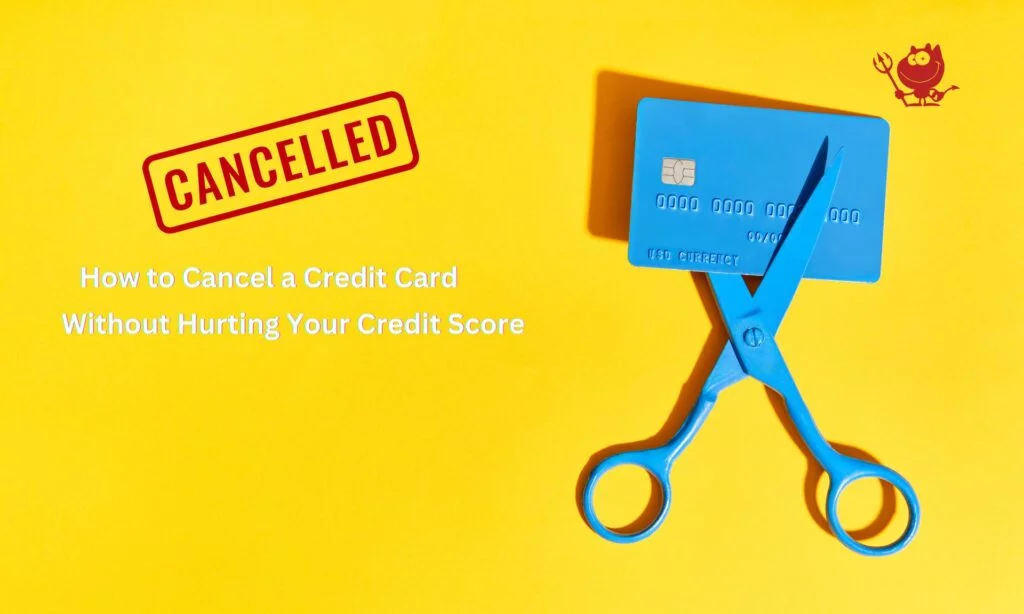
- Stop Using Your Credit Cards: This is non-negotiable. Put them away, freeze them in ice, or even cut them up. Every new purchase adds to the problem and undermines your efforts.
- List All Your Debts:
- Card Name: (e.g., ANZ Rewards, NAB Low Rate)
- Outstanding Balance:
- Interest Rate (Purchase Rate):
- Minimum Payment Due:
- Due Date:
- Comparison Rate: Prioritise debts by their interest rates (highest to lowest) for the “Avalanche Method” or by smallest balance (smallest to largest) for the “Snowball Method.”
- Create a Detailed Budget:
- Income: List all sources of income.
- Essential Expenses: Rent/mortgage, groceries, utilities, transport, insurance.
- Non-Essential Expenses: Dining out, entertainment, subscriptions, shopping, hobbies. Identify areas where you can cut back. Even small cuts (e.g., daily coffee, unused subscriptions) can free up funds for debt repayment.
- Find Extra Income/Reduce Spending:
- Can you pick up extra shifts, freelance, sell unused items, or temporarily reduce discretionary spending to free up more “debt money”?
Phase 2:Strategic Repayment Methods
Once you know what you owe and where your money is going, apply one of these proven strategies.
Strategy A: The Debt Avalanche Method (Most Mathematically Efficient)
- How it Works: Focus all your extra repayment funds on the credit card with the highest interest rate, while making only the minimum payments on all other cards. Once the highest-interest card is paid off, take the money you were paying on that card (its minimum payment + the extra funds) and roll it into the next highest-interest card.
- Why it’s Effective: This method saves you the most money in interest over time because you eliminate the most expensive debt first.
- Example:
- Card A: $5,000 balance, 22% interest (Target Card)
- Card B: $3,000 balance, 18% interest
- Card C: $1,500 balance, 15% interest You would pay the minimum on Card B and C, and put all available extra funds towards Card A. Once Card A is cleared, redirect its payment amount (minimum + extra) to Card B, and so on.
Strategy B: The Debt Snowball Method (Most Psychologically Motivating)
- How it Works: Focus all your extra repayment funds on the credit card with the smallest balance, while making only the minimum payments on all other cards. Once the smallest balance is paid off, take the money you were paying on that card (its minimum payment + the extra funds) and roll it into the next smallest balance.
- Why it’s Effective: The “quick wins” of paying off smaller debts provide powerful psychological motivation to keep going, which can be crucial for long-term adherence.
- Example:
- Card C: $1,500 balance, 15% interest (Target Card)
- Card B: $3,000 balance, 18% interest
- Card A: $5,000 balance, 22% interest You would pay the minimum on Card A and B, and put all available extra funds towards Card C. Once Card C is cleared, redirect its payment amount (minimum + extra) to Card B, and so on.
- Consideration: While less financially efficient than the Avalanche Method if your smallest debt doesn’t have the highest interest, its motivational benefits can make it more successful for some.
Phase 3: Leveraging Financial Tools
Beyond direct repayment strategies, certain financial products can significantly aid your debt management.
- Balance Transfer Credit Cards (0% Interest Offers):
- How it Works: Transfer your existing high-interest credit card debt to a new credit card that offers 0% or a very low interest rate on balance transfers for an introductory period (e.g., 12-36 months).
- Why it’s Effective: This gives you an “interest holiday,” meaning 100% of your repayments go towards reducing the principal.
- Key Rules for Success:
- No New Spending: Crucially, do not make new purchases on the balance transfer card during the promotional period, as new purchases often incur interest immediately, negating the benefit.
- Clear the Debt: Have a strict plan to pay off the entire transferred balance before the promotional period ends and the high revert rate kicks in. Divide the balance by the number of months in the offer to determine your required monthly payment.
- Beware of Fees: Most balance transfers have a one-off transfer fee (e.g., 1-3% of the transferred amount). Factor this into your decision.
- Close Old Cards: Once the transfer is complete, close the old high-interest credit cards to eliminate temptation.
- Consideration: Requires a good credit score to qualify for the best balance transfer offers. You generally cannot transfer a balance between cards from the same parent bank.
- Debt Consolidation Loans (Personal Loans):
- How it Works: Take out a single personal loan with a lower interest rate than your credit cards and use the funds to pay off all your credit card debt. You then have one fixed monthly payment for a set period.
- Why it’s Effective: Can significantly lower your overall interest cost and simplify repayments into one predictable sum.
- Consideration: Requires a good credit score for favourable rates. Ensure the personal loan’s interest rate (and any fees) is genuinely lower than your weighted average credit card interest rate. Also, avoid accruing new credit card debt once consolidated.
- Negotiating with Your Bank:
- How it Works: Contact your current credit card issuer and explain your financial situation. Ask if they can lower your interest rate, waive fees, or offer a hardship arrangement.
- Why it’s Effective: Banks want to retain customers. If you have a good payment history, they might be willing to offer concessions. Even a few percentage points off your interest rate can save you significant money.
- Tips: Be polite but firm. Reference competitor offers if you’ve seen better rates elsewhere.
Phase 4: Long-Term Habits for Financial Health
Once you’ve managed your debt, building sustainable habits is key to staying debt-free.
- Maintain a Strict Budget: Continue to track your income and expenses to ensure you’re living within your means.
- Build an Emergency Fund: Aim for 3-6 months of living expenses in a separate, accessible savings account. This prevents you from relying on credit cards for unexpected costs.
- Automate Payments: Set up automatic direct debits for at least the minimum payment (or ideally more) for any remaining credit cards or loans to avoid late fees and missed payments.
- Use Credit Cards Responsibly (If at All):
- If you keep a credit card, use it for purchases you can immediately pay off.
- Consider a low-limit, no annual fee card for emergencies only.
- Treat it like a debit card – only spend what you have.
- Review Your Credit Report: Regularly check your credit report (free once a year from agencies like Equifax, Illion, Experian) to ensure accuracy and monitor your credit score. A good credit score is vital for future financial goals (e.g., home loan).
- Seek Professional Help (If Overwhelmed):
- If credit card debt feels overwhelming, contact the National Debt Helpline (1800 007 007). They offer free, confidential advice from financial counsellors who can help you budget, negotiate with creditors, or explore formal debt agreements.
Conclusion: Discipline and Diligence
The most effective credit card debt management in Australia requires a combination of self-awareness, strategic planning, and unwavering discipline. By stopping new spending, implementing a targeted repayment method like the Avalanche or Snowball, judiciously using balance transfers or consolidation loans, and building lasting habits of financial prudence, you can systematically dismantle your credit card debt and pave the way for a more secure and free financial future. Remember, every dollar saved on interest is a dollar earned towards your goals.