
In Australia’s increasingly digital landscape, credit card fraud remains a persistent threat. While banks employ sophisticated security measures, consumers play a vital role in safeguarding their financial information. From online scams to physical card skimming, understanding the common types of credit card fraud and implementing robust preventative measures is crucial for protecting your money and identity. This comprehensive guide provides an A-Z approach to credit card fraud protection in Australia, empowering you to minimise your risk and respond effectively if targeted.
Understanding Credit Card Fraud in Australia
Credit card fraud encompasses various deceptive activities designed to obtain your card details or use your card without authorisation. Common types include:
- Skimming: Thieves use devices (skimmers) at ATMs or point-of-sale (POS) terminals to copy your card’s magnetic stripe and capture your PIN.
- Phishing: Fraudsters send fake emails, SMS, or make calls pretending to be from banks, reputable companies, or government agencies to trick you into revealing card details, PINs, or login credentials.
- Pharming: Similar to phishing, but redirects you to a fraudulent website even if you type in the correct URL.
- Card-Not-Present (CNP) Fraud: Unauthorised online or phone purchases using stolen card numbers (e.g., from data breaches or phishing).
- Lost/Stolen Card Fraud: Unauthorised use of a physical card that has been lost or stolen.
- Identity Theft: Criminals use your personal information (name, date of birth, address) to open new credit card accounts in your name.
Proactive Measures: Protecting Your Card and Data
1. Physical Card Security:
- Guard Your PIN: Never write down your PIN or share it with anyone. When entering your PIN at an ATM or POS, always cover the keypad with your other hand to prevent “shoulder surfing” or hidden cameras.
- Inspect ATMs/POS Terminals: Before inserting your card, briefly check the card reader and keypad for any loose, bulky, or unusual attachments. Skimming devices are often poorly fitted.
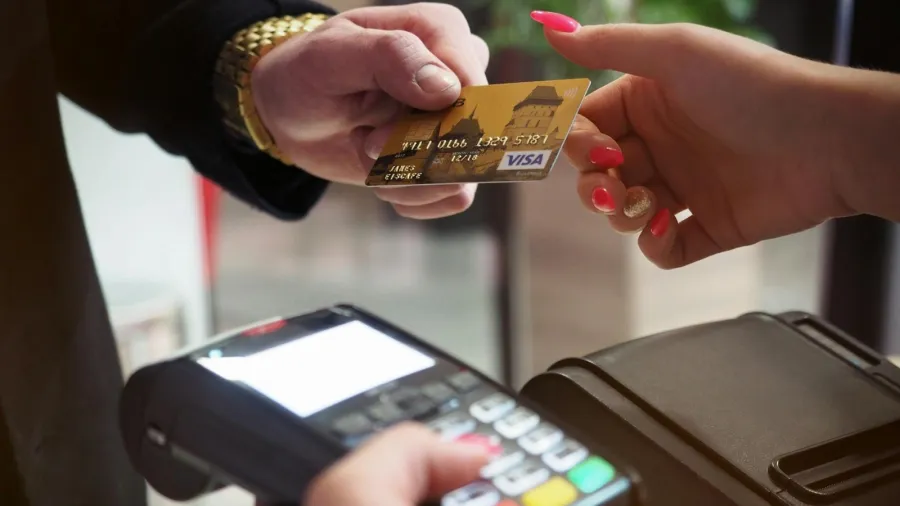
- Keep Your Card in Sight: At restaurants or petrol stations, never let your card out of your sight. If a merchant uses a portable terminal, ensure they bring it to you.
- Sign Your Card: Sign the back of your credit card as soon as you receive it.
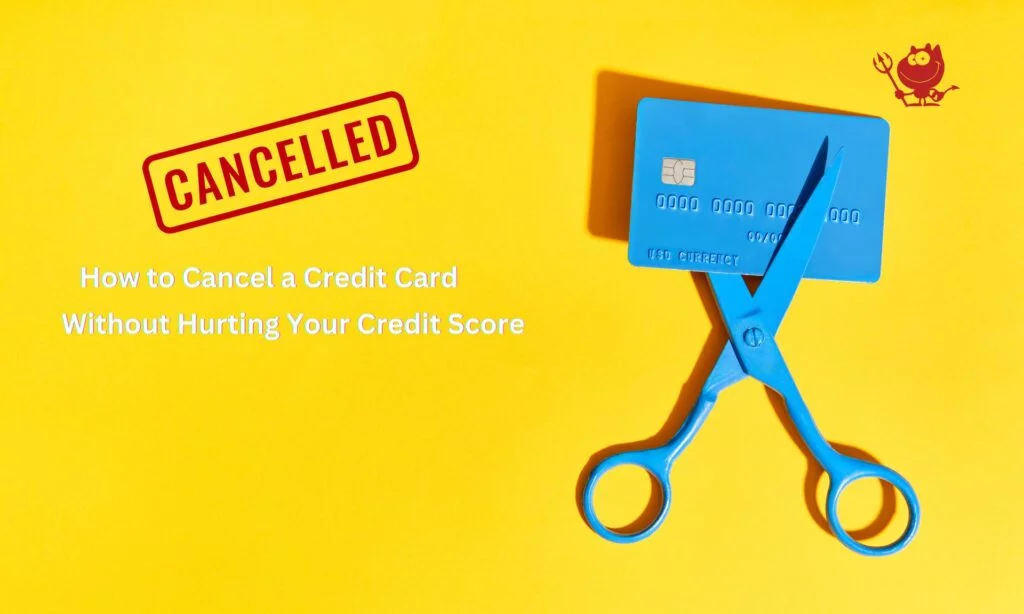
- Shred Old Cards and Documents: Cut up expired credit cards (especially the chip and magnetic stripe) and shred any documents containing sensitive financial information (statements, bills) before disposal.

2. Online and Digital Security:
- Strong, Unique Passwords: Use complex, unique passwords for all your online accounts, especially banking and shopping sites. Consider a password manager.
- Two-Factor Authentication (2FA): Enable 2FA whenever possible (e.g., a code sent to your phone or a biometric scan) for an extra layer of security on your banking and online shopping accounts.
- Secure Websites (HTTPS): Before entering card details online, ensure the website address begins with “https://” and look for a padlock icon in the browser bar.
- Avoid Public Wi-Fi for Transactions: Public Wi-Fi networks are often unsecured. Avoid making online purchases or accessing banking apps when connected to them. Use your mobile data instead.
- Beware of Phishing/Smishing:
- Verify Senders: Always check the sender’s email address or phone number. Fraudsters often use slight variations of legitimate names.
- Don’t Click Suspicious Links: Never click on links in unexpected emails or SMS. Instead, type the legitimate website address directly into your browser.
- Be Skeptical of Urgent Requests: Legitimate banks will never ask for your full card number, PIN, or online banking password via email, SMS, or unsolicited phone calls.
- If in Doubt, Call Directly: If you receive a suspicious message about your account, call your bank using the official number on their website or the back of your card.
- Regular Software Updates: Keep your operating system, web browser, and antivirus software updated. These updates often include critical security patches.
- Avoid Saving Card Details: While convenient, saving your card details on online shopping sites increases your risk if that site experiences a data breach.
- Use Digital Wallets (e.g., Apple Pay, Google Pay): These services use tokenisation, meaning your actual card number isn’t transmitted during transactions, adding a layer of security for in-store and often online payments.
3. Monitoring and Vigilance:
- Regularly Check Your Statements: Review your credit card statements and online banking transactions frequently (daily or every few days). Look for any unfamiliar or suspicious charges, even small ones.
- Set Up Transaction Alerts: Many banks allow you to set up SMS or email alerts for transactions over a certain amount, international transactions, or online purchases.
- Monitor Your Credit Report: Regularly check your credit report (free annually from Equifax, Illion, Experian) for any accounts opened in your name without your knowledge.
- Be Wary of Unexpected Calls/Texts: If someone calls claiming to be from your bank about suspicious activity, hang up and call them back using the official number. Fraudsters can “spoof” caller ID.
What to Do If You Suspect or Confirm Fraud
Prompt action is critical to minimise damage.
- Contact Your Card Issuer IMMEDIATELY:
- Call the fraud department using the number on the back of your card, your statement, or your bank’s official website.
- Report the fraudulent transactions or lost/stolen card.
- Your card will be cancelled, and a new one issued.
- Most Australian banks offer zero liability policies, meaning you won’t be held responsible for unauthorised transactions, provided you act quickly and haven’t acted negligently.
- Report to Law Enforcement (if applicable):
- For significant fraud or identity theft, consider filing a report with your local police. This can provide a police report number, which may be required by your bank or insurance company.
- Place a Fraud Alert on Your Credit Report:
- Contact one of the Australian credit reporting agencies (Equifax, Illion, Experian) to place a fraud alert on your file. This warns lenders to take extra steps to verify your identity before opening new credit in your name.
- Change Passwords:
- If you suspect your details were compromised online, change passwords for all relevant accounts (banking, email, online shopping).
- Monitor Your Accounts Closely:
- Continue to monitor your bank accounts and credit report for any further suspicious activity.
- Scamwatch:
- Report scams to Scamwatch (scamwatch.gov.au), run by the Australian Competition and Consumer Commission (ACCC). This helps authorities track trends and warn others.
Conclusion: Vigilance is Your Best Defence
While credit card fraud can be distressing, a combination of preventative measures and swift action can significantly reduce its impact. By adopting proactive habits like guarding your PIN, securing your online interactions, and diligently monitoring your accounts, you can build a strong defence against fraudsters. Remember, your bank is your partner in this, but ultimate credit card protection in Australia begins with your personal vigilance and commitment to financial security.