In the modern financial landscape, few tools are as ubiquitous as the credit card and the debit card. While they may look and feel identical—both are plastic, feature a chip, and can be swiped or tapped—their underlying functions and financial implications are vastly different. Understanding these core differences is not just about financial literacy; it’s about empowering yourself to make smarter financial decisions, avoid unnecessary risks, and build a secure future. This comprehensive guide will go far beyond the surface-level distinctions to provide a deep dive into the mechanics, benefits, and risks of each card, helping you master your money.
The Fundamental Mechanics: How Each Card Works
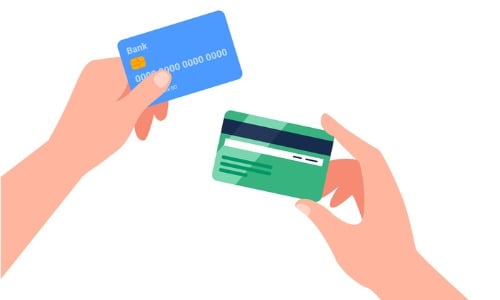
The most crucial distinction between a credit card and a debit card lies in the source of the funds you are spending. This fundamental difference dictates nearly every other aspect of their use.
How a Credit Card Works: The Lending Model
A credit card is, at its core, a line of credit extended to you by a financial institution. When you use your credit card, you are not spending your own money; you are taking out a short-term loan from the bank. The bank pays the merchant on your behalf, and in return, you are responsible for repaying that balance. Each month, you receive a statement detailing your purchases and a payment due date. If you pay the full balance before this date, you pay no interest. This period is known as the grace period. However, if you carry a balance beyond the due date, you will be charged a high Annual Percentage Rate (APR) on the outstanding amount. The responsible use of a credit card—specifically, making on-time payments and keeping your credit utilization low—is the single most effective way to build and maintain a strong credit score, a key metric for your financial health.
How a Debit Card Works: The Cash Model
A debit card is a direct link to your own money. When you make a purchase with a debit card, funds are immediately withdrawn from your checking or savings account. You are spending what you have, and you cannot exceed the available balance in your account without incurring an overdraft fee, which can be very expensive. This model makes a debit card an excellent tool for strict budgeting and for individuals who want to avoid the temptation of debt. Since you are not borrowing any money, there are no interest charges to worry about, and its use has no bearing on your credit score, for better or worse.
The Financial Implications: Impact on Your Finances and Security
The choice between a credit and a debit card has far-reaching consequences for your financial well-being, particularly concerning debt, security, and rewards.
Debt Management and Budgeting
For individuals who struggle with overspending, a debit card provides a natural safety net. Because a debit card is tied to your cash, it enforces a strict budget. When the money runs out, you simply cannot make another purchase. Credit cards, by their very nature, allow you to spend money you don’t have, which can lead to the dangerous cycle of high-interest debt. The high APRs on credit cards can make it difficult to pay down a large balance, especially if you are only making the minimum payment. For this reason, a credit card is a tool that requires discipline, while a debit card serves as a check on spending.
Security, Fraud Protection, and Risk
This is arguably where credit cards demonstrate their most significant advantage. Most credit cards come with a zero-liability policy, which means you are not held responsible for fraudulent or unauthorized charges. Since the bank’s money was stolen, the issuer takes on the risk. When you report a fraudulent transaction, the bank will investigate and typically refund the money immediately, while the investigation is ongoing.
With a debit card, the situation is far more precarious. When fraud occurs, your own money is at risk. While federal laws and bank policies provide some protection, it can take days or even weeks for the bank to complete its investigation and return your funds. In the meantime, your checking account could be drained, leading to bounced checks, missed bill payments, and the stress of a frozen account.
Rewards, Benefits, and Additional Features
The rewards ecosystem is a major draw for credit cards. To incentivize spending, card issuers offer lucrative programs that include:
- Cashback: A percentage of your spending is returned to you.
- Travel Points: Points can be redeemed for flights, hotel stays, or other travel perks.
- Purchase Protection: Many cards will cover a purchased item against damage or theft for a period after the purchase.
- Extended Warranty: Your card may extend the manufacturer’s warranty on an item you buy.
- Rental Car Insurance: Some cards offer primary or secondary insurance for rental vehicles.
Debit cards rarely offer such rewards. While a few banks have started to offer very modest cashback or point programs, they are nowhere near as generous or widespread as those offered by credit cards.
Final Conclusion: Making an Informed Choice
Choosing between a credit card and a debit card isn’t about which one is inherently better; it’s about which one is right for your specific needs and financial discipline. For beginners and individuals who struggle with budgeting, a debit card is a safe, simple, and effective tool for managing daily expenses without the risk of debt. However, for those who are financially disciplined, a credit card is an indispensable tool for building a strong credit score, earning valuable rewards, and enjoying a superior level of security and protection. A common and highly effective strategy is to use a credit card for most major purchases to gain the benefits, but to treat it like a debit card by paying the balance in full each month. This approach allows you to reap all the rewards without ever paying a cent in interest. The key is to be intentional and to use your card as a tool for financial empowerment, not as a source of debt.