
The dream of international travel often comes with the reality of hidden costs. Among the most common and easily overlooked are foreign transaction fees. For the unsuspecting traveler, these small fees—typically a 2-3% charge on every purchase made in a foreign currency—can quickly add up, turning a budget-friendly trip into a costly affair. This comprehensive guide will demystify foreign transaction fees, explain the hidden dangers of Dynamic Currency Conversion (DCC), and provide you with actionable strategies to save money and travel smarter.
What Exactly Are Foreign Transaction Fees?
A foreign transaction fee is a surcharge applied to your credit or debit card for transactions that are processed outside of your home country or in a foreign currency. It’s a fee that you pay to the bank or the card issuer for the service of converting foreign currency to your home currency.
How the Fee Is Calculated
The fee is typically a percentage of the total transaction amount, most commonly ranging from 1% to 3%. For example, if you make a purchase for $100 in Europe and your card has a 3% foreign transaction fee, you will be charged an additional $3, bringing your total cost to $103. While a single fee of a few dollars may seem insignificant, it can amount to hundreds of dollars over the course of a trip. For a traveler who spends $5,000 abroad, a 3% fee would result in an extra $150 in charges.
Who Charges the Fee
The fee is not charged by the merchant you are paying; it is charged by your own bank or credit card issuer. The fee is applied every time you use your card abroad, whether it’s for a meal, a hotel stay, or a souvenir. It’s important to note that the fee can even apply to online purchases from a foreign-based merchant, even if you are at home.
When the Fee Is Applied
The fee is typically applied at the time of the transaction and will appear on your statement as a separate charge or be bundled into the total amount of the purchase. It’s often difficult to notice the fee on a daily basis, which is why it’s so important to check your statement carefully after your trip.
The Hidden Cost of Dynamic Currency Conversion (DCC)
One of the biggest traps for international travelers is Dynamic Currency Conversion (DCC). This seemingly helpful service is actually a costly and unnecessary fee that you can and should always decline.

What is DCC?
Dynamic Currency Conversion is a service offered by some merchants and ATMs that gives you the option to pay in your home currency instead of the local currency. For example, if you are in London and buying a meal, the merchant may ask if you want to pay in British Pounds (GBP) or your home currency (e.g., US Dollars). At first glance, this seems convenient because you can see the cost in a familiar currency.
Why You Should Always Decline It
The problem with DCC is that the exchange rate used by the merchant is almost always less favorable than the rate your card’s network (e.g., Visa or Mastercard) would provide. Additionally, the merchant often adds a markup fee, which can be even higher than your card’s foreign transaction fee. When you choose to pay in your home currency, you are giving the merchant permission to perform the currency conversion at their rate, which is almost always worse for you. By insisting on paying in the local currency, you ensure that your card’s network handles the conversion, which typically uses a much more competitive interbank rate.
A Mathematical Example of the Cost
Let’s say you’re buying something for €100 in Paris.
- Scenario A (Paying in Local Currency): Your card’s network converts the €100 at a favorable rate (e.g., €1 = $1.10) and then your bank adds a 3% foreign transaction fee. Total cost: $110 + (3% of $110) = $113.30.
- Scenario B (Paying with DCC): The merchant’s bank applies a poor exchange rate (e.g., €1 = $1.15) and a 5% markup fee. Total cost: €100 converted to $115, plus a 5% fee on that amount = $120.75.
In this simple example, you saved over $7 by declining DCC and paying in local currency.
Finding and Using Cards with Zero Foreign Transaction Fees
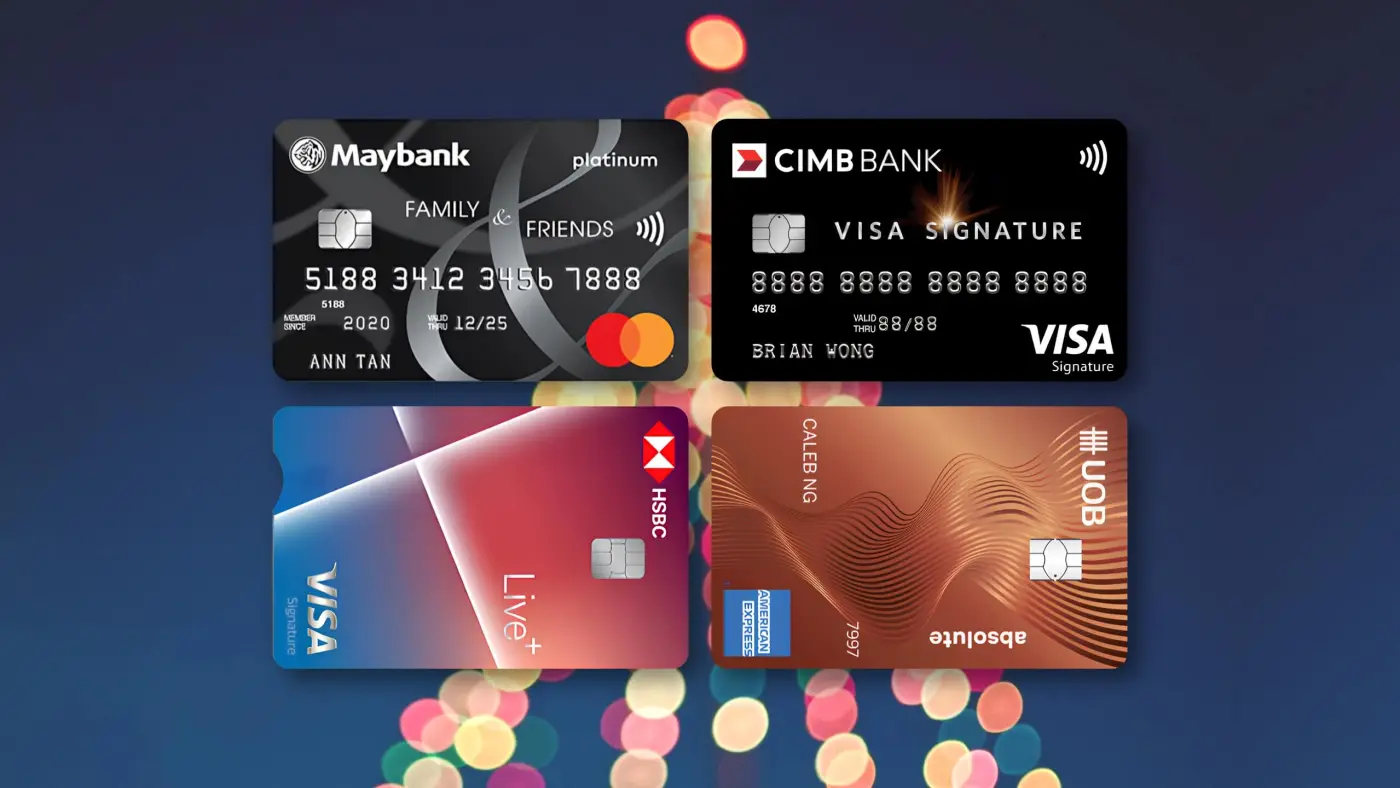
The best way to avoid foreign transaction fees is to get a card that doesn’t charge them. Many credit card issuers offer cards specifically designed for travelers.
Common Card Types with No Fees
- Travel-Specific Credit Cards: Many premium and travel-focused credit cards offer no foreign transaction fees as a standard benefit.
- Some Debit Cards: A few banks and credit unions offer debit cards with no foreign transaction fees, which can be a great option for withdrawing cash from international ATMs.
- Credit Cards from Online Banks: Many online-only banks or fintech companies have built their business around offering low-fee financial products, including cards with no foreign transaction fees.
Having one of these cards in your wallet is an essential part of any smart travel strategy.
The Benefits of Having a “Travel Card”
Even if you have a regular credit card with a great rewards program, it can be beneficial to have a dedicated “travel card.” You can use it for all your international purchases to save on fees while keeping your main card safe at home. This also simplifies expense tracking, as all your international transactions will be on one statement.
Other International Fees to Be Aware Of
While foreign transaction fees are the most common, there are other fees that can impact your travel budget.
ATM Withdrawal Fees
When you use an international ATM, you may be hit with two fees: one from the local bank that owns the ATM and one from your own bank for making an out-of-network withdrawal. If you are using a credit card for a cash withdrawal, you will also be charged a cash advance fee and a high interest rate, which begins accruing immediately. A debit card with no international ATM fees is a much better choice for getting local cash.
Currency Conversion Rates
Even without a specific fee, different card networks and banks will have slightly different currency conversion rates. While these differences are usually minimal, they are still a factor to consider. Paying in the local currency ensures you get the most favorable rate available at the time of the transaction.
Final Conclusion: Travel Smart, Spend Less
Foreign transaction fees are an easily avoidable cost of international travel. By taking a few simple steps—getting a credit card with no foreign transaction fees, always paying in the local currency, and using a dedicated debit card for cash withdrawals—you can save a significant amount of money on your next trip. Understanding these fees and the tricks used by some merchants and ATMs is the key to spending less and traveling smarter. With the right financial tools and knowledge, you can ensure that your travel budget goes towards memorable experiences, not hidden fees.