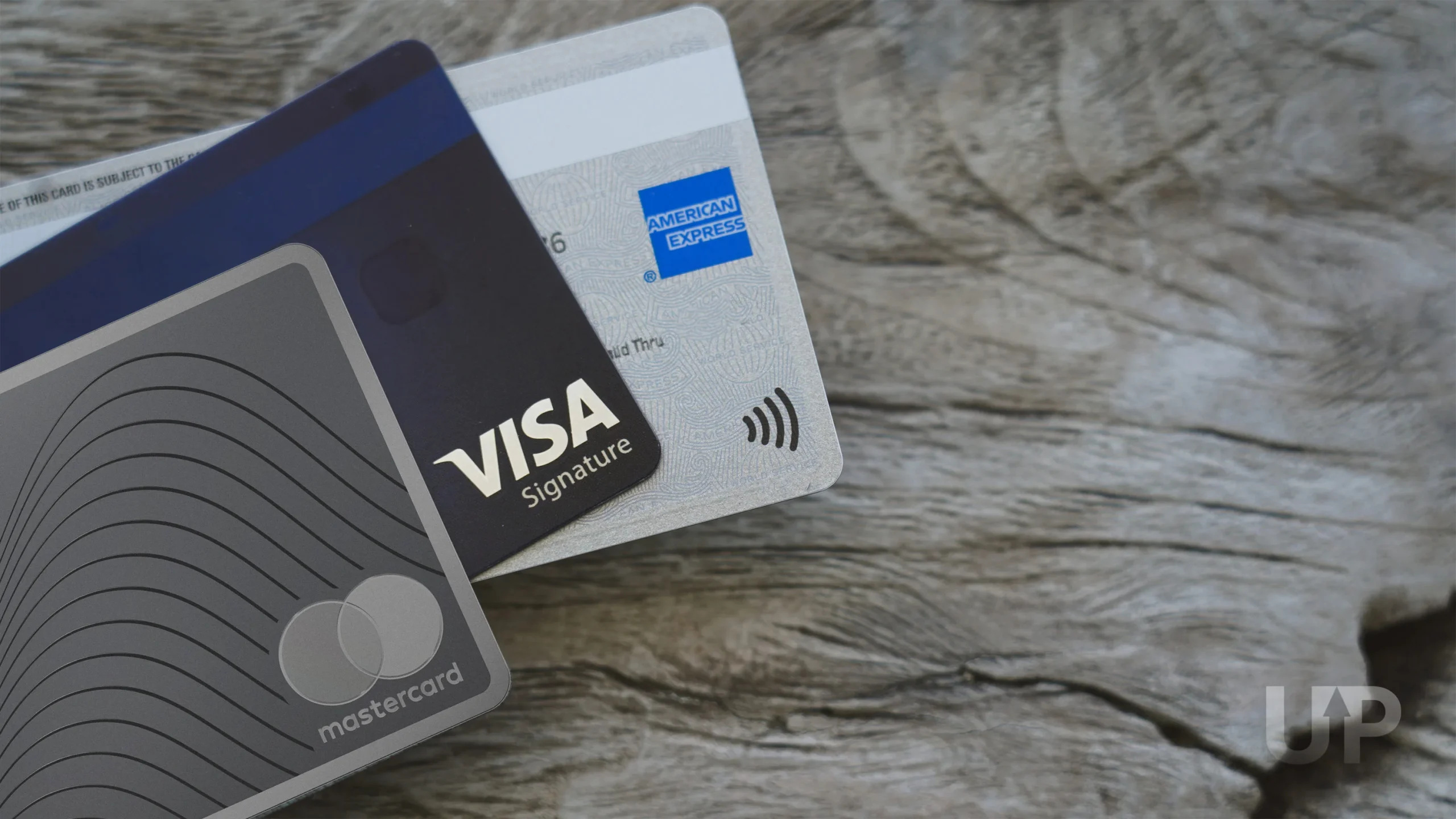


Applying for a credit card in Australia can seem daunting, but understanding the process, requirements, and what lenders look for can significantly smooth your application journey. From choosing the right card to navigating responsible lending obligations, this A-Z guide for 2025 will provide a comprehensive overview of how to successfully apply for an Australian credit card, ensuring you make an informed decision that aligns with your financial goals.
A. Assessing Your Needs and Eligibility
Before even thinking about applications, ask yourself:
- Do I truly need a credit card? Consider if it’s for convenience, emergencies, rewards, or debt management.
- What type of credit card suits me?
- Rewards Card: For high spenders who pay in full (often with annual fees).
- Low Interest Rate Card: If you might carry a balance (lower interest, fewer perks).
- Balance Transfer Card: To consolidate existing high-interest debt (introductory 0% offers).
- No Annual Fee Card: For simplicity, emergencies, or building credit history.
- Am I eligible? General requirements include:
- Age: 18 years or older.
- Residency: Australian citizen, permanent resident, or eligible long-term visa holder.
- Income: Meet the card’s minimum income requirement (e.g., $20,000 p.a. for basic, much higher for premium).
- Credit History: A good credit score is vital (see ‘C’ for checking yours).
- Can I afford it? Lenders will assess your ability to repay the full credit limit within a reasonable timeframe (typically 3 years), not just the minimum repayment. This is part of responsible lending.
B. Comparing Credit Card Offers
This is a critical step. Don’t just pick the first card you see or your existing bank’s default offer.

- Online Comparison Websites: Use reputable comparison sites (e.g., Canstar, Finder, RateCity, Mozo) to filter cards based on your criteria (e.g., no annual fee, 0% balance transfer, Qantas points).
- Key Comparison Points:
- Interest Rates: Purchase rate, cash advance rate, balance transfer revert rate.
- Annual Fee: And any first-year waivers.
- Comparison Rate: The true cost, including interest and most fees.
- Introductory Offers: Sign-up bonuses (points, cashback), 0% on purchases or balance transfers (note the duration and revert rate).
- Rewards Program: Earn rate, redemption options, point value.
- Perks & Features: Travel insurance (read PDS!), lounge access, concierge, purchase protection.
- Other Fees: Foreign transaction fees, late payment fees, cash advance fees.
- Read the Fine Print: Always consult the Product Disclosure Statement (PDS) and Key Facts Sheet (KFS) for any card you’re seriously considering. These documents detail all terms, conditions, fees, and exclusions.
C. Checking and Improving Your Credit Score
Your credit score (or credit report) is a numerical representation of your creditworthiness and is a major factor in approval.
- Access Your Free Credit Report: You are entitled to a free copy of your credit report annually from major Australian credit reporting agencies (Equifax, Illion, Experian).
- Review for Accuracy: Check for any errors or outdated information that could negatively impact your score.
- Improve Your Score (if needed):
- Pay all bills and debts on time (most crucial).
- Reduce existing debt, especially credit card debt.
- Keep credit utilisation low (ideally under 30% of your credit limit).
- Avoid multiple credit applications in a short period (each application is a “hard inquiry” and can temporarily dip your score).
- Have a diverse credit mix (e.g., home loan, personal loan, credit card).
D. Gathering Required Information and Documents
Having these ready before you apply will streamline the process.
- Personal Identification:
- Australian Driver’s Licence (number and expiry).
- Passport (number and expiry, especially for non-citizens).
- Medicare Card.
- Employment and Income Details:
- Employer’s name and contact.
- Employment type (full-time, part-time, casual, self-employed).
- Gross annual income.
- Recent payslips (typically 2-3 most recent).
- Tax returns (for self-employed, usually last 2 years).
- Bank statements (often requested digitally to verify income and expenses).
- Financial Assets and Liabilities:
- Assets: Savings account balances, investments, property ownership.
- Liabilities (Debts): Existing credit card balances (including limits), personal loan balances, car loan balances, home loan balance, Buy Now Pay Later (BNPL) accounts.
- Monthly repayment amounts for all existing debts.
- Living Expenses:
- Detailed breakdown of your monthly expenses (rent/mortgage, food, utilities, transport, education, childcare, recreation, insurance, health). Lenders use a household expenditure measure (HEM) but will also verify your stated expenses.
E. Submitting Your Application
Most applications can be completed online, which is often the fastest method.

- Online Application:
- Fill in all required fields accurately.
- Many banks offer “instant conditional approval” if your details are easily verifiable. This means preliminary approval subject to document verification.
- You may be prompted to securely link your bank accounts for income/expense verification.
- In-Branch or Over the Phone:
- You can visit a branch or call the bank to have a representative assist you with the application. This might be preferable if you have complex financial situations or prefer human interaction.
F. Assessment and Approval
Once submitted, the lender will assess your application against their criteria and responsible lending obligations.
- Verification: The bank will verify your identity, income, and expenses using the documents you provided and potentially through external checks.
- Credit Check: A hard inquiry is made on your credit report.
- Responsible Lending Assessment: The bank must be satisfied that you can afford the credit limit without experiencing undue financial hardship, even if you draw down the full limit and only make minimum payments.
- Decision:
- Approved: You’ll receive notification, and your card will be mailed to you (typically 5-10 business days).
- Conditionally Approved: More information or documents may be required.
- Declined: The bank will inform you of the decision. If it’s due to your credit report, they’ll advise you which credit reporting agency to contact.
G. Activating and Using Your Card
- Activation: Once you receive your card, activate it via the bank’s mobile app, online banking, or phone banking. You’ll typically set your PIN during this process.
- Understand Your Statement: Familiarise yourself with your statement, including the due date, minimum payment, closing balance, and interest-free period.
- Responsible Use:
- Pay in Full: Always aim to pay your entire closing balance by the due date to avoid interest charges and leverage interest-free days.
- Avoid Cash Advances: These incur immediate, high interest and fees.
- Monitor Spending: Keep track of your spending to stay within your budget and credit limit.
- Set Up Automatic Payments: To ensure you never miss a minimum payment.
Conclusion: A Prepared Approach for Success
Applying for an Australian credit card doesn’t have to be a source of stress. By meticulously assessing your needs, thoroughly comparing options, understanding and improving your credit score, gathering all necessary documentation beforehand, and approaching the application process with diligence, you significantly increase your chances of approval. Remember, the goal is not just to get a credit card, but to get the right credit card that supports your financial well-being and helps you achieve your broader financial objectives.