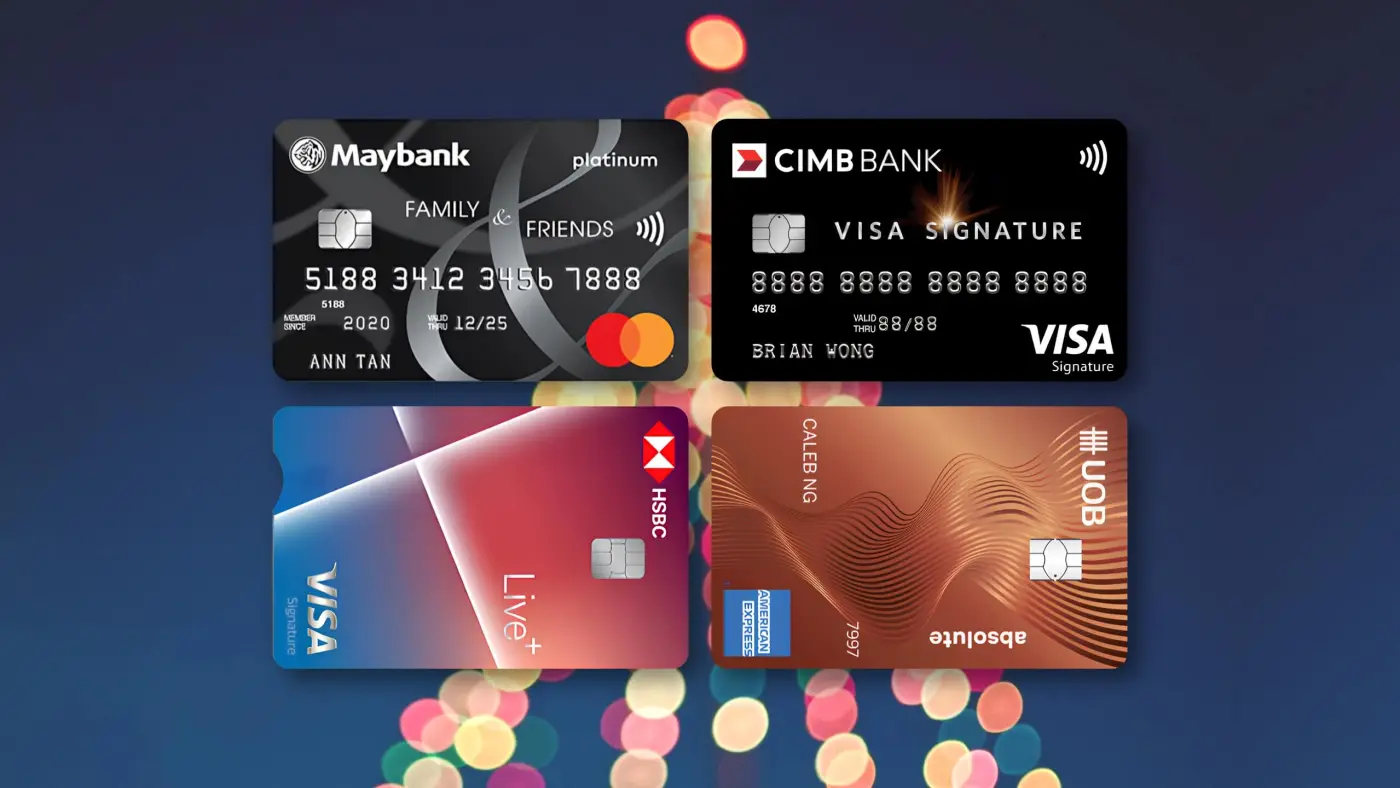
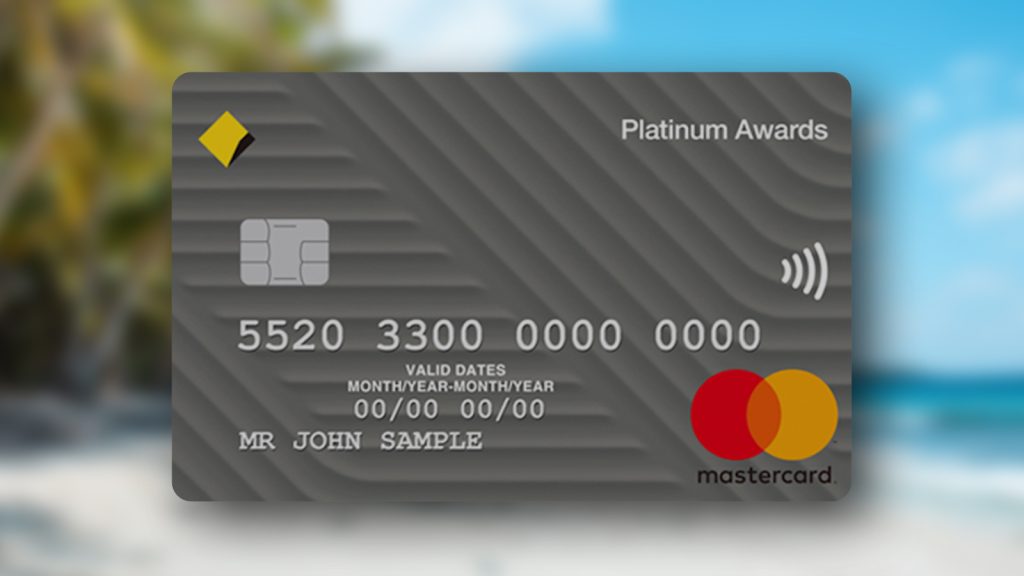
Platinum credit cards sit a tier above standard or “classic” cards in the Australian market, offering an enhanced suite of benefits, higher credit limits, and typically more comprehensive rewards programs. While the allure of premium perks and increased spending power is attractive, Platinum credit cards also come with higher annual fees and stricter eligibility criteria. Understanding who genuinely benefits from a Platinum credit card and the responsibilities that come with it is crucial before applying. This comprehensive guide will explore the features of Australian Platinum credit cards and help you determine if one is the right fit for your financial lifestyle.
What Defines an Australian Platinum Credit Card?
Platinum credit cards are designed for consumers with higher incomes and strong credit profiles who seek more than just basic spending power. Key characteristics include:
- Higher Credit Limits: Typically starting from $6,000 to $10,000 and going up to $50,000 or more, reflecting the cardholder’s higher earning capacity and spending needs.
- Enhanced Rewards Programs: Generally offer higher points earn rates per dollar spent compared to standard cards. Points can often be redeemed for a wider range of options, including flexible airline transfers, travel credits, and premium merchandise.
- Complimentary Insurances: A significant draw, often including international travel insurance, purchase protection, extended warranty, and rental vehicle excess insurance (both overseas and domestic).
- Premium Perks: May include airport lounge passes, concierge services, exclusive event access, and special discounts.
- Higher Annual Fees: Reflecting the value of the added benefits, annual fees for Platinum cards can range from approximately $100 to $300+, sometimes with first-year waivers.
- Higher Eligibility Criteria: Stricter income requirements and a very good to excellent credit history are typically needed for approval.
Who Should Apply for an Australian Platinum Credit Card?
Platinum credit cards are best suited for specific financial profiles and lifestyles.

- High Spenders (who pay their balance in full):
- Why: The higher earn rates on rewards points become genuinely valuable when coupled with significant monthly spending. If you consistently put most of your expenses on the card and pay it off in full each month, you maximise rewards without incurring interest.
- Not for: Those who carry a balance. The higher interest rates (common on rewards cards) will quickly negate any benefits.
- Frequent Travellers:
- Why: The complimentary international travel insurance can save hundreds on standalone policies. Lounge access can enhance comfort, and flexible points for flights or travel credits are a big plus.
- Not for: Infrequent travellers. The annual fee might not be justified if you only travel once every few years. Always read the insurance PDS carefully for activation requirements and exclusions.
- Those Who Value Convenience and Perks:
- Why: If you appreciate services like a personal concierge for bookings, extended warranties on purchases, or exclusive event access, a Platinum card delivers these conveniences.
- Not for: Budget-conscious individuals who won’t use the premium services.
- Individuals with a Strong Financial Profile:
- Why: You typically need a minimum annual income (often $50,000 – $75,000+ for most Platinum cards, even higher for Black/Signature tiers) and an excellent credit history to be approved. This indicates financial stability and a low risk to the lender.
- Not for: Those with limited income, unstable employment, or a poor credit score. Applying and being rejected can negatively impact your credit file.
- Those Seeking Debt Consolidation (with specific offers):
- Why: Some Platinum cards may offer introductory 0% balance transfer periods. If you meet the criteria and have a strict repayment plan, this can be a valuable feature.
- Not for: Those who are already struggling with debt. A Platinum card’s higher limit could worsen the situation if not managed meticulously.
Key Considerations Before Applying for a Platinum Card
- Annual Fee vs. Benefits:
- Calculate if the value you derive from rewards, insurance, and perks truly exceeds the annual fee. If the fee is $200, but you only save $100 on insurance and earn minimal points due to low spending, it’s not worth it.
- Look for cards with waived first-year annual fees as a trial.
- Interest Rates:
- Platinum cards, especially rewards-focused ones, often have higher purchase interest rates (e.g., 19-22% p.a.). If you carry a balance, this will quickly erode any rewards benefits. Prioritise paying in full.
- Credit Score and Income Requirements:
- Check the specific card’s eligibility criteria before applying. A rejection leaves a “hard inquiry” on your credit file, which can temporarily lower your credit score.
- Ensure your income and existing debt levels demonstrate a comfortable ability to repay the higher credit limit.
- Rewards Program Fit:
- Does the points program align with your spending and redemption preferences? Are you aiming for Qantas points, Velocity, or flexible points for travel credits?
- Understand any points caps or exclusions (e.g., government payments, certain bills may earn fewer points).
- Insurance Details (Read the PDS!):
- Do not assume automatic comprehensive coverage. Verify activation requirements (e.g., paying for travel on the card), trip duration limits, age limits, pre-existing condition exclusions, and specific claim limits.
- If you have complex health needs or unusual travel plans, a dedicated travel insurance policy might still be necessary.
- Comparison Rate:
- This includes the annual fee and purchase interest rate, giving you the true cost if you carry a balance.
Alternatives if a Platinum Card Isn’t Right for You
- Low Rate Credit Cards: If you occasionally carry a balance, a low-interest card (even with a small annual fee) is a better choice.
- No Annual Fee Cards: For emergencies or building credit history without recurring costs.
- Debit Cards with Travel Features: Some debit cards offer 0% foreign transaction fees and good exchange rates, suitable for cash access overseas without incurring debt.
- Specific Travel Money Cards: Prepaid cards that let you load foreign currency at locked-in rates.
Conclusion: A Tool for Financial Leverage, Not Liability
Australian Platinum credit cards are powerful financial tools offering premium benefits for those who can manage them responsibly. They are ideal for high-income earners, frequent travellers, and disciplined individuals who pay their balance in full each month and can genuinely leverage the rewards and complimentary insurances. However, for anyone who might carry a balance, struggles with debt, or won’t fully utilise the perks, the higher annual fees and interest rates can quickly turn a potential benefit into a financial burden. Choose wisely, prioritise responsible use, and let a Platinum credit card enhance, rather than encumber, your financial life.