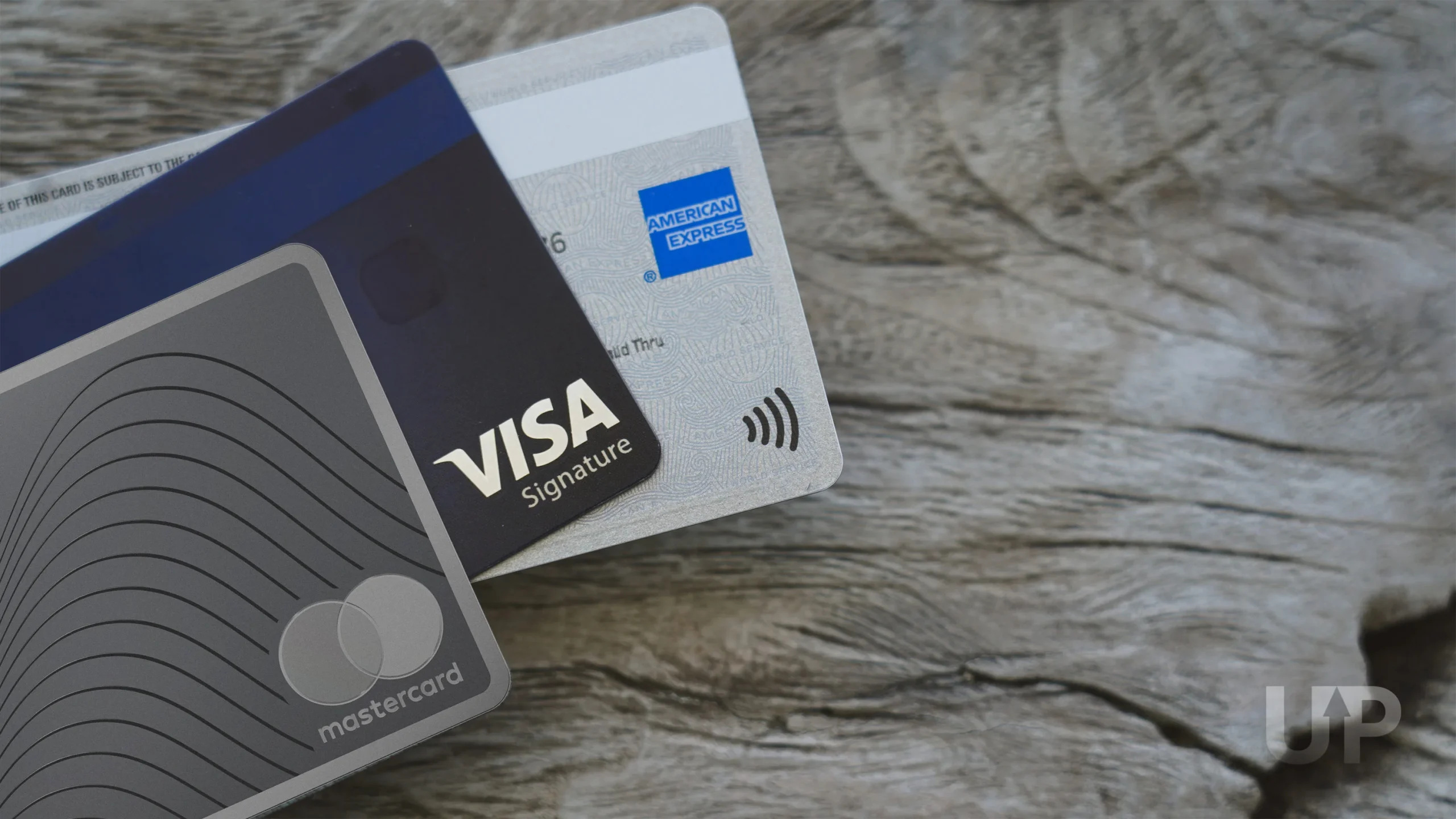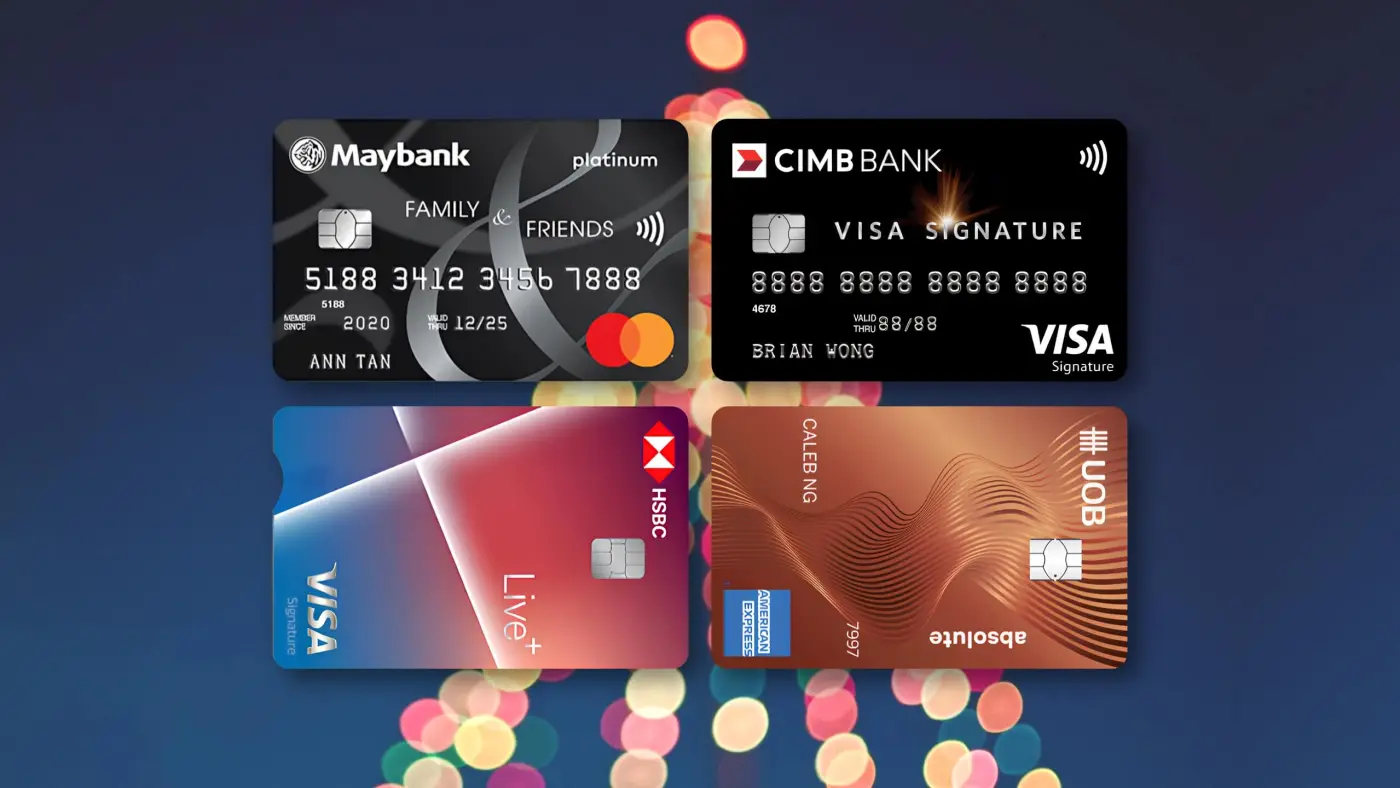
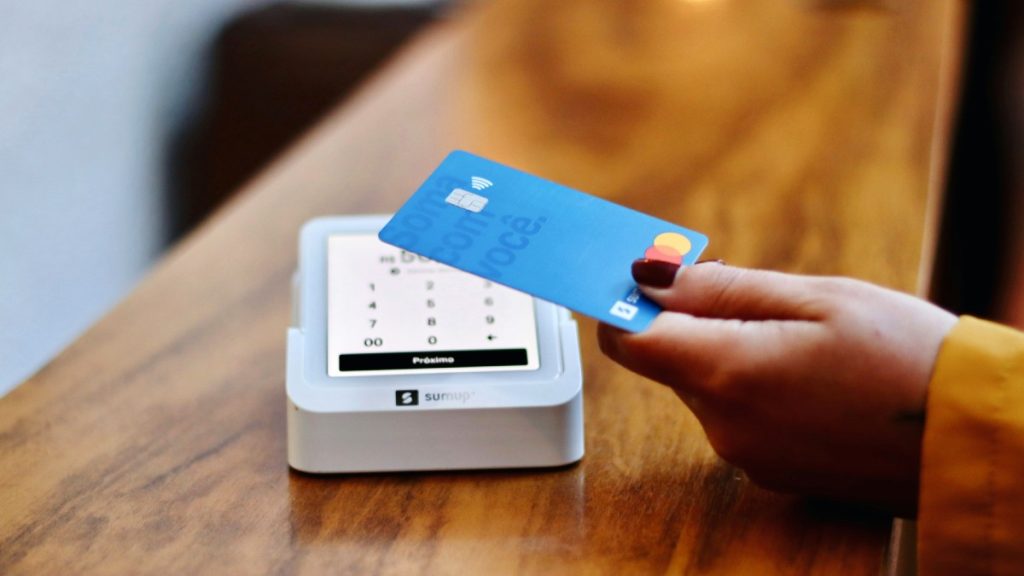
Credit card annual fees in Australia are a standard charge associated with many credit cards, particularly those offering rewards, premium benefits, or introductory offers. These fees can range from $0 for basic cards to over $1,000 for ultra-premium metal cards. A common question for consumers is: Should you avoid credit card annual fees? The answer is not a simple yes or no. It hinges entirely on your spending habits, financial discipline, and whether the value you derive from the card’s benefits genuinely outweighs its cost. This comprehensive guide will explore the nuances of credit card annual fees in Australia, helping you determine if paying one is a worthwhile investment or an unnecessary expense.
Understanding Credit Card Annual Fees
An annual fee is a recurring charge by the card issuer for the privilege of holding and using the credit card. It’s typically charged once a year, often on your card anniversary.
- Why are they charged?
- Covering Perks: Higher fees often accompany cards with extensive rewards programs, travel benefits (lounge access, travel insurance), concierge services, and other premium features. The fee helps offset the cost of providing these benefits.
- Administration: It also contributes to the general administration and operational costs of maintaining the credit card account.
- Risk: For some cards (e.g., those for rebuilding credit history), a fee might be charged to offset higher perceived risk.
- Fee Variations:
- $0 Annual Fee: Basic cards, often with fewer perks or lower earn rates.
- Introductory Fee Waivers: Many premium cards waive the first year’s annual fee to attract new customers. This is a common tactic, but be aware of the ongoing fee.
- Tiered Fees: Fees often increase with the card’s tier (e.g., Gold < Platinum < Black < Titanium/Metal), correlating with richer benefits.
When Paying an Annual Fee Might Be Worth It
Paying an annual fee can be a smart financial move if the value you receive from the card’s benefits exceeds the fee. This is especially true for disciplined cardholders who always pay their balance in full.

- Maximising Rewards and Frequent Flyer Points:
- High Earn Rates: Premium cards often offer significantly higher points per dollar spent. If you’re a high spender (and pay in full), these accelerated points can quickly accumulate to valuable rewards (e.g., business class flights, luxury hotel stays) that far outweigh the fee.
- Generous Sign-up Bonuses: Many cards with annual fees offer massive sign-up bonuses (e.g., 100,000+ points). If you can meet the spending requirements without overspending, the value of these bonus points alone can easily cover several years’ worth of fees.
- Example: An annual fee of $300 might be easily offset by $1,000+ worth of flight redemptions from points earned.
- Utilising Valuable Complimentary Insurances:
- Travel Insurance: Many premium cards include comprehensive international travel insurance (often including COVID-19 cover, depending on the policy). If you travel frequently, this can save you hundreds or even thousands annually on separate travel insurance policies. Always read the PDS for coverage details and activation requirements.
- Purchase Protection/Extended Warranty: These insurances can protect your purchases against theft, damage, or provide extended warranty periods, saving you money on repairs or replacements.
- Example: A single international trip’s travel insurance could cost more than a mid-tier credit card’s annual fee.
- Accessing Exclusive Travel and Lifestyle Perks:
- Airport Lounge Access: Complimentary passes or unlimited access to airport lounges (e.g., Priority Pass, Qantas Club) can significantly enhance your travel experience, especially for frequent flyers.
- Annual Travel Credits/Dining Credits: Some high-end cards offer annual statement credits for travel-related expenses or dining. If you use these credits, they directly offset the annual fee.
- Concierge Services: Can save you time by assisting with bookings, research, or personal requests.
- Example: An Amex Platinum card with a high fee might come with a $450 travel credit, effectively reducing the net fee if you use it.
- Offsetting with Other Banking Products:
- Some banks offer fee waivers or discounts on credit card annual fees if you bundle your credit card with other products like a home loan or premium banking package. This can make a high-fee card more palatable.
When Avoiding an Annual Fee Is the Best Choice
If you don’t fit the profile above, an annual fee is likely an unnecessary cost that erodes your financial well-being.

- If You Carry a Balance:
- Interest is Costlier: The interest you pay on a carried balance will almost always far outweigh any rewards or perks you earn, rendering the annual fee an additional burden. Your priority should be a low-interest rate or balance transfer card, ideally with no annual fee.
- Example: Paying 20% interest on a $3,000 balance is $600 in interest alone per year, on top of any annual fee.
- If You Don’t Use the Perks:
- If you don’t travel, don’t use lounge access, have separate insurance, or don’t value merchandise/gift card redemptions highly, then the annual fee is a sunk cost.
- Example: Paying $200 for a card with travel insurance you never use is a waste of money.
- If You’re a Low Spender:
- For light users, the points earned might not be enough to justify even a modest annual fee, especially if there’s no generous sign-up bonus.
- Example: A card earning 1 point per dollar with a $100 annual fee requires $10,000 in spending to earn 10,000 points. If those points are only worth $50 in gift cards, you’re losing money.
- If You Prefer Simplicity:
- For those who want a simple credit card for emergencies or to build credit history without worrying about rewards optimisation, a no annual fee card is the clear choice.
Strategies to Manage or Avoid Annual Fees
- Choose a No Annual Fee Card: The most straightforward way to avoid the fee entirely. These cards are great for emergencies or building credit history.
- Leverage First-Year Fee Waivers: If a premium card has a first-year fee waiver and a large sign-up bonus, you can get the bonus, use the perks for a year, and then cancel or downgrade before the ongoing fee kicks in.
- Negotiate with Your Bank: If you’re a good customer, call your bank and ask for a fee waiver or reduction, especially if you’re considering cancelling. They may offer it to retain your business.
- Downgrade Your Card: If you find you’re not using the benefits of a premium card, ask your bank if you can downgrade to a lower-fee or no-fee version within their product range. This preserves your credit history with that account.
- Set a Calendar Reminder: If you have a first-year fee waiver, set a reminder a month before the annual fee is due to decide whether to keep, downgrade, or cancel the card.
Conclusion: A Cost-Benefit Analysis
Credit card annual fees in Australia are not inherently “good” or “bad.” They are simply a cost that must be weighed against the benefits received. For the financially disciplined, high-spending individual who consistently pays their balance in full and actively leverages the associated perks, an annual fee can be a small price to pay for significant value. However, for those who carry a balance, spend infrequently, or don’t utilise the premium features, avoiding the annual fee is unequivocally the best credit card strategy. Always conduct a thorough cost-benefit analysis, review your card’s value annually, and let your personal financial habits guide your decision.