
Having a poor credit score can feel like being trapped in a vicious cycle. Lenders are hesitant to approve you for a loan or a credit card, which makes it impossible to build the positive credit history you need to improve your score. The good news is that this cycle is not unbreakable. With the right strategy and the right financial tools, it is entirely possible to get a credit card with poor credit and use it as a stepping stone to a healthier financial future. This comprehensive guide will explore the options available to you, explain how they work, and provide a clear roadmap for using a credit card to rebuild your credit score.
Understanding Your Credit Score and Its Impact
Before we dive into the solutions, it’s important to understand the problem. A poor credit score is a numerical representation of your credit risk. It signals to lenders that you have a history of financial missteps, such as late payments, defaults, or high debt levels.
What Constitutes a Poor Credit Score?
Credit scores are calculated by credit bureaus based on a number of factors, including your payment history, credit utilization, and the length of your credit history. While the exact numerical range for a “poor” score can vary between credit bureaus, it typically falls within a range that makes it difficult to be approved for standard credit products. Lenders see you as a high-risk borrower and are therefore reluctant to extend you credit.
Why Lenders Are Hesitant to Lend to You
When you apply for a credit card, lenders perform a credit check to assess your risk. A poor credit score suggests that there is a high probability you may default on your payments. Lenders are in the business of making money, and a high-risk borrower represents a potential loss. This is why you are often rejected for traditional credit cards and loans. However, there are a number of financial products designed specifically to help people in this situation.
The Best Options for People with Poor Credit
The key to getting a credit card with poor credit is to look for cards that are specifically designed for people in your situation. These cards have different approval criteria and are structured to help you build credit responsibly.

Secured Credit Cards
A secured credit card is often the best and most effective option for people with poor credit. It works like a traditional credit card, but it requires you to put down a security deposit, which typically serves as your credit limit. For example, if you deposit $300, your credit limit will be $300. The deposit serves as collateral, which significantly reduces the bank’s risk. You use the card just like any other credit card, making purchases and paying your bill each month. The bank reports your payment activity to the credit bureaus, and as you make on-time payments, your credit score will begin to improve.
Credit Builder Loans
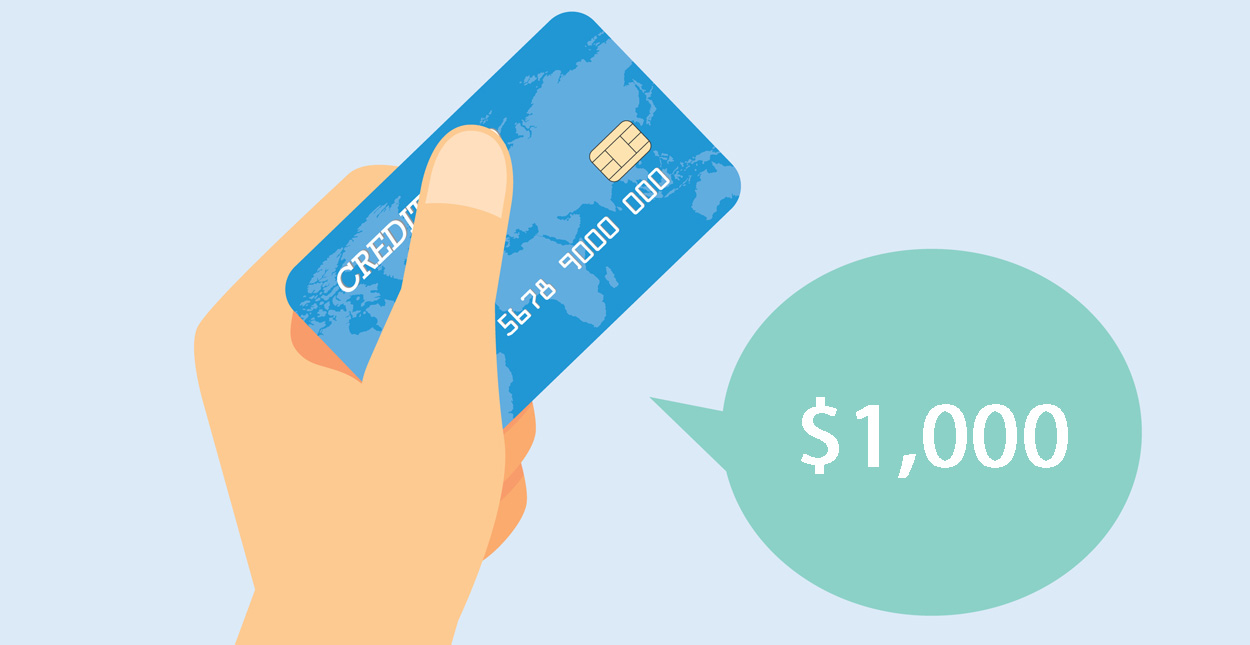
While not a credit card, a credit builder loan is a highly effective tool for people with no credit or poor credit. With a credit builder loan, a financial institution lends you a small amount of money (e.g., $1,000), but holds that money in a savings account. You then make fixed monthly payments on the loan. As you make each payment, the bank reports your positive payment history to the credit bureaus. Once the loan is fully paid, the bank releases the money to you. This is a safe and structured way to build a history of on-time payments.
Store Credit Cards
Some department stores and retailers offer credit cards that are often easier to qualify for than traditional credit cards. These cards are typically designed for a specific store and often have low credit limits. While they can be a viable option for building credit, they often come with high interest rates and should be used with caution. It is crucial to pay the balance in full each month to avoid accumulating high-interest debt.
How to Use a Card to Rebuild Credit
Getting a credit card is only half the battle; the real work lies in using it strategically to rebuild your credit score. The goal is to build a history of positive financial behavior.

Make On-Time Payments
This is the most important factor in your credit score, accounting for 35% of the score. Make it your top priority to pay your bill on time, every month. A single late payment can have a significant negative impact on your score. Consider setting up automatic payments or calendar reminders to ensure you never miss a due date.
Keep Your Credit Utilization Low
Your credit utilization ratio (the amount of credit you are using divided by your total available credit) accounts for 30% of your credit score. For example, if you have a credit limit of $300 and a balance of $250, your utilization is over 80%, which is very high and can harm your score. It is best to keep this ratio below 30%, and ideally below 10%. Try to use your card for small, manageable purchases and pay the balance off multiple times a month if necessary to keep your utilization low.
Monitor Your Credit Report
Regularly check your credit report to monitor your progress. You are entitled to a free credit report from credit bureaus, and it’s a good practice to check it at least once a year. Look for any errors or inaccuracies, and report them immediately. Monitoring your report also allows you to see how your on-time payments and low utilization are positively impacting your score over time.
Common Pitfalls and How to Avoid Them
Even with a credit card designed for poor credit, there are common mistakes that can prevent you from improving your score.
High Fees and Interest Rates
Cards for people with poor credit often come with higher fees and interest rates. Be aware of annual fees and the high APR. Your goal is not to carry a balance and pay interest; it is to use the card responsibly to build credit. Pay the balance in full each month to avoid these costly fees.
Applying for Too Many Cards
When you apply for a credit card, the lender performs a hard inquiry on your credit report. This can temporarily lower your credit score. Applying for too many cards in a short period signals to lenders that you are desperate for credit and can be seen as a high-risk behavior. Focus on getting one good secured card and using it to build a strong history before considering a second card.
Final Conclusion: A Journey of Rebuilding
Having a poor credit score is not a permanent condition. With the right knowledge and a disciplined approach, you can use a credit card designed for your situation as a powerful tool for rebuilding your financial health. By making on-time payments, keeping your utilization low, and avoiding common pitfalls, you can steadily improve your score and open the door to a more stable financial future. The journey of rebuilding credit is a marathon, not a sprint, but with the right strategy, you can get there.