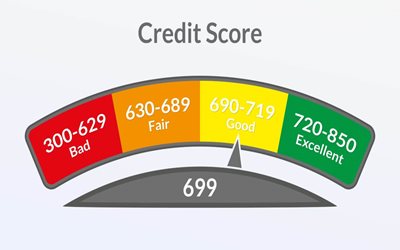
In the realm of personal finance, few numbers hold as much power as your credit score. It is a three-digit number that acts as a summary of your financial history, influencing your ability to secure a loan, rent an apartment, or even get a mobile phone contract. While many factors contribute to your credit score, no single financial tool has as much influence on it as a credit card. Used strategically, a credit card can be your most powerful ally in building a strong credit score. Used irresponsibly, it can be a source of significant financial damage. This comprehensive guide will provide a detailed breakdown of the intricate relationship between credit cards and your credit score, revealing the key factors that are at play and how you can master them.
The Five Key Factors of Your Credit Score and How Cards Influence Them
Credit scores are calculated by credit bureaus based on a number of factors, each with a different weight. Understanding these factors is the first step to using your credit card to your advantage.

Payment History (35%): The Cornerstone of Your Score
This is the most important factor in your credit score. It simply measures whether you have paid your bills on time. A history of on-time payments on your credit card is a direct and powerful signal to lenders that you are a reliable borrower. Every on-time payment is a positive mark on your credit report, while a single late payment (typically 30 days or more past the due date) can significantly lower your score. This is why the first and most critical rule of using a credit card is to always pay your bill on time, every time.
Credit Utilization (30%): The “30% Rule”
This factor measures how much of your available credit you are using. It is calculated by dividing your total credit card balances by your total credit limits. For example, if you have a total credit limit of $10,000 across all your cards and your total balance is $2,000, your utilization is 20%. Lenders prefer to see a low credit utilization ratio, as it indicates that you are not over-relying on credit. The golden rule is to keep your utilization below 30%, but aiming for a ratio of 10% or less will help you maximize this portion of your score. By using a credit card and keeping the balance low, you are actively managing this crucial factor.
Length of Credit History (15%): The Power of Time
This factor considers the age of your credit accounts, specifically the age of your oldest account and the average age of all your accounts. A longer credit history is a positive sign for lenders, as it shows that you have a long track record of responsible borrowing. Your credit card is often your first line of credit, and the longer you keep that account open and in good standing, the more it will contribute to a higher score. This is why financial experts often advise against closing old, unused credit cards.
New Credit (10%): The Risk of Too Many Applications
This factor looks at how many new credit accounts you have opened recently. When you apply for a credit card, the lender performs a hard inquiry on your credit report. This can temporarily lower your credit score by a few points. Applying for too many credit cards in a short period can signal to lenders that you are desperate for credit and can be a sign of financial instability. It is best to space out your applications and only apply for credit when you truly need it.
Credit Mix (10%): A Balanced Portfolio
The final factor in your credit score assesses whether you have a healthy mix of different types of credit. This includes revolving credit, such as credit cards, and installment loans, such as mortgages or car loans. Having a good mix of both shows that you can manage different types of debt responsibly. While this is the least influential factor, having a credit card in your credit portfolio is an important step in building a diverse credit profile.
Strategic Use of Credit Cards to Boost Your Score
Simply having a credit card isn’t enough to build a good score; you must use it strategically.
The Best Practices for On-Time Payments
- Set Up Automatic Payments: The easiest way to ensure you never miss a payment is to set up automatic payments. You can set it to pay the minimum or the full statement balance each month.
- Pay More Than the Minimum: Paying only the minimum can lead to high interest charges and a high credit utilization ratio. Always aim to pay your full statement balance.
- Make Multiple Payments: To keep your credit utilization low, consider making multiple payments throughout the month, especially if you have a high spending volume.
Managing Your Credit Utilization Proactively
- The “Pay Before the Statement Date” Trick: Your credit utilization is calculated based on the balance that is reported to the credit bureaus, which is usually the balance on your statement date. By paying off your balance before the statement is generated, you can ensure that a very low utilization ratio is reported.
- Request a Credit Limit Increase: A higher credit limit automatically lowers your credit utilization ratio (assuming your spending stays the same). This is a strategic move, but it should only be done if you are confident you will not be tempted to overspend.
The Importance of Keeping Old Accounts Open
Even if you have an old credit card you no longer use, it is a good idea to keep it open. As long as it doesn’t have an annual fee, keeping it open will contribute to a longer credit history, which is a positive factor for your score.
Common Credit Card Mistakes That Harm Your Score
Just as there are good habits, there are bad habits that can quickly derail your progress.
- The Danger of Late Payments: Making a late payment is the single biggest mistake you can make. It can instantly drop your score by dozens of points and will stay on your credit report for up to seven years.
- Maxing Out Your Card: Using up all or most of your credit limit will drastically increase your credit utilization and can cause your score to plummet. Even if you pay it off quickly, the damage is already done once it’s reported to the credit bureaus.
- Closing Your Oldest Account: Closing your oldest credit card will shorten your credit history and reduce your total available credit, both of which will negatively impact your score.
Final Conclusion: A Powerful Tool for Financial Health
A credit card is a powerful instrument that can significantly boost your credit score and open doors to a more stable financial future. By understanding the mechanics of credit scoring and using your card strategically—making on-time payments, keeping utilization low, and making smart choices—you can turn your credit card into your most effective ally. It is a journey of discipline and patience, but with the right approach, a healthy credit score is well within your reach.