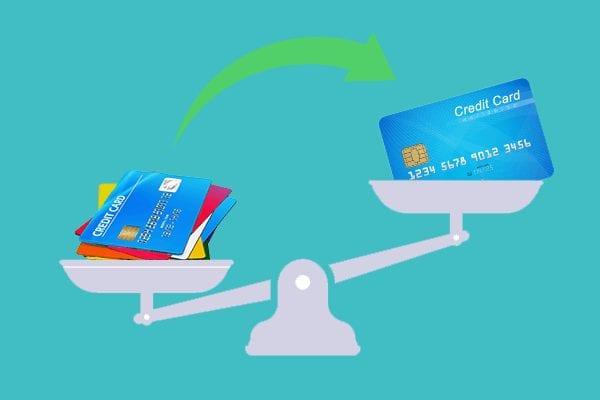
Credit card debt in Australia often comes with punitive interest rates, making it difficult to pay off the principal. This is where balance transfer credit cards can be a game-changer. A balance transfer allows you to move existing high-interest credit card debt from one or more cards to a new credit card that offers a promotional 0% or very low interest rate for a set period. If used correctly, this financial tool can be incredibly effective for consolidating debt, reducing interest costs, and accelerating your journey to becoming debt-free. This comprehensive guide will walk you through everything you need to know about balance transfer credit cards in Australia, from how they work to how to maximise their benefits and avoid common pitfalls.
What is a Balance Transfer and How Does it Work?
A balance transfer is essentially refinancing your credit card debt. Instead of paying high interest on your current card(s), you apply for a new credit card (or use an existing one that offers a balance transfer promotion) and request to move your outstanding balance(s) to this new card.
- The Promotional Period: The key feature is the introductory period during which the transferred balance incurs 0% or a very low interest rate (e.g., 6 months, 12 months, 18 months, or even up to 36 months).
- The Revert Rate: Once this promotional period ends, any remaining transferred balance will revert to a much higher interest rate, typically the card’s cash advance rate or a high purchase rate. This is a critical factor to be aware of.
- Balance Transfer Fee: Most balance transfers in Australia come with a one-off fee, charged as a percentage of the transferred amount (e.g., 1%, 2%, or 3%). This fee is usually added to the transferred balance.
Who Should Consider a Balance Transfer Card?
Balance transfer credit cards are ideal for individuals who:
- Have Existing High-Interest Credit Card Debt: This is the primary reason to consider one.
- Are Disciplined and Committed to Repayment: You must be able to make consistent, higher-than-minimum payments to clear the debt within the promotional period.
- Are Not Accruing New Debt: You must be willing to stop using the balance transfer card for new purchases (and ideally other credit cards) to focus solely on repayment.
- Have a Good Credit Score: While some offers are available for lower scores, the best 0% offers typically require a solid credit history.
The Step-by-Step Guide to a Successful Balance Transfer
Step 1: Assess Your Debt and Eligibility
- List All Debts: Compile a list of all your credit cards, their outstanding balances, and their current interest rates. This helps you determine how much to transfer.
- Check Your Credit Score: Obtain a free copy of your credit report (from Equifax, Illion, or Experian). A good credit score increases your chances of approval for the best offers.
- Understand Restrictions:
- Same Bank Transfers: You generally cannot transfer a balance between two credit cards from the same parent bank (e.g., from one NAB card to another NAB card).
- Transfer Limit: The new card will have a maximum amount you can transfer, often a percentage of your approved credit limit (e.g., 90%). Ensure it’s enough to cover your debt.
- Excluded Debts: Some debts (e.g., personal loans, store cards) may not be eligible for transfer.
Step 2: Compare Balance Transfer Offers
- Prioritise Long 0% Periods: The longer the interest-free period, the more time you have to pay down the principal. Aim for at least 12 months, ideally 18-36 months.
- Scrutinise the Revert Rate: What interest rate will the balance revert to after the promotional period? This is crucial if you don’t clear the debt in time, as it could be higher than your current card’s rate.
- Factor in the Balance Transfer Fee: While 0% interest is great, a 3% transfer fee on a $10,000 balance is $300. Ensure the interest saved outweighs this fee.
- Check New Purchase Interest: This is critical. Many balance transfer cards charge interest on new purchases from day one (with no interest-free days) while the balance transfer is 0%. This can quickly negate your savings. Look for cards where new purchases are also 0% or, ideally, commit to not using the card for new spending.
- Annual Fee: Some balance transfer cards have an annual fee. Ensure the fee doesn’t eat into your savings, especially if it kicks in after a first-year waiver.
Step 3: Apply for the New Card
- Complete the Application: Provide accurate personal, income, and expense details. You’ll need to specify the details of the card(s) you’re transferring from and the amount.
- Income and Expense Verification: Lenders are legally bound by responsible lending obligations to ensure you can afford the credit limit and repayments. Be prepared to provide payslips, bank statements, and details of all liabilities.
- Credit Check: A “hard inquiry” will be made on your credit report. This can temporarily lower your credit score, which is why it’s important to apply for only one card you’re likely to get.
Step 4: Execute the Transfer and Plan Repayment
- Activate the New Card (and Transfer): Once approved, activate the card and ensure the balance transfer goes through successfully. This can take a few business days to a couple of weeks.
- Continue Minimum Payments on Old Cards: Do not stop making payments on your old cards until you confirm the balance has been fully transferred and the old account balance is zero.
- CREATE A REPAYMENT PLAN: This is the most vital step.
- Divide the total transferred balance (including the transfer fee) by the number of months in the 0% promotional period. This is your minimum required payment each month to clear the debt in time.
- Example: $10,000 balance + $200 fee (2%) = $10,200. Over 18 months: $10,200 / 18 = $566.67 per month.
- Set up automatic payments for this amount to ensure you don’t miss a payment.
- STOP USING THE NEW CARD FOR PURCHASES: Seriously. Put it away. Freeze it. Use only for repayments. New purchases will accrue interest immediately on most balance transfer cards.
- CANCEL YOUR OLD HIGH-INTEREST CARDS: Once the balance is confirmed as zero on your old cards, contact the issuers and formally close the accounts. This removes temptation and prevents future annual fees. Simply cutting up the card is not enough.
Common Pitfalls to Avoid
- Failing to Pay Off the Balance: The biggest mistake. If you don’t clear the debt within the promotional period, the high revert rate will quickly negate any savings.
- Making New Purchases: Using the balance transfer card for new spending is a common trap that can lead to more debt and immediate interest charges.
- Missing Minimum Payments: Missing payments can revoke your promotional rate, incur late fees, and damage your credit score.
- “Credit Card Churning” Without a Plan: Repeatedly applying for balance transfers without a commitment to pay them off can signal financial distress to lenders and negatively impact your credit score.
- Ignoring the Balance Transfer Fee: While small, it adds to your total debt.
- Transferring an Unmanageable Amount: Be realistic about what you can pay off.
Alternative to Balance Transfers
If a balance transfer isn’t suitable, consider:
- Debt Consolidation Personal Loan: Consolidates multiple debts into one loan with a fixed, lower interest rate and repayment schedule. Requires a good credit score.
- Debt Management Plan (via Financial Counsellor): For those overwhelmed by debt, a free financial counsellor (National Debt Helpline: 1800 007 007) can help negotiate with creditors and create a repayment plan.
Conclusion: A Powerful Tool, When Used Wisely
Balance transfer credit cards in Australia are a potent weapon in the fight against high-interest credit card debt. They offer a valuable window of opportunity to dedicate your repayments entirely to reducing your principal. However, their effectiveness hinges on discipline, a clear repayment strategy, and a commitment to avoid new spending. Approach a balance transfer with a plan, execute it diligently, and you can significantly accelerate your path to becoming debt-free and achieving greater financial control.