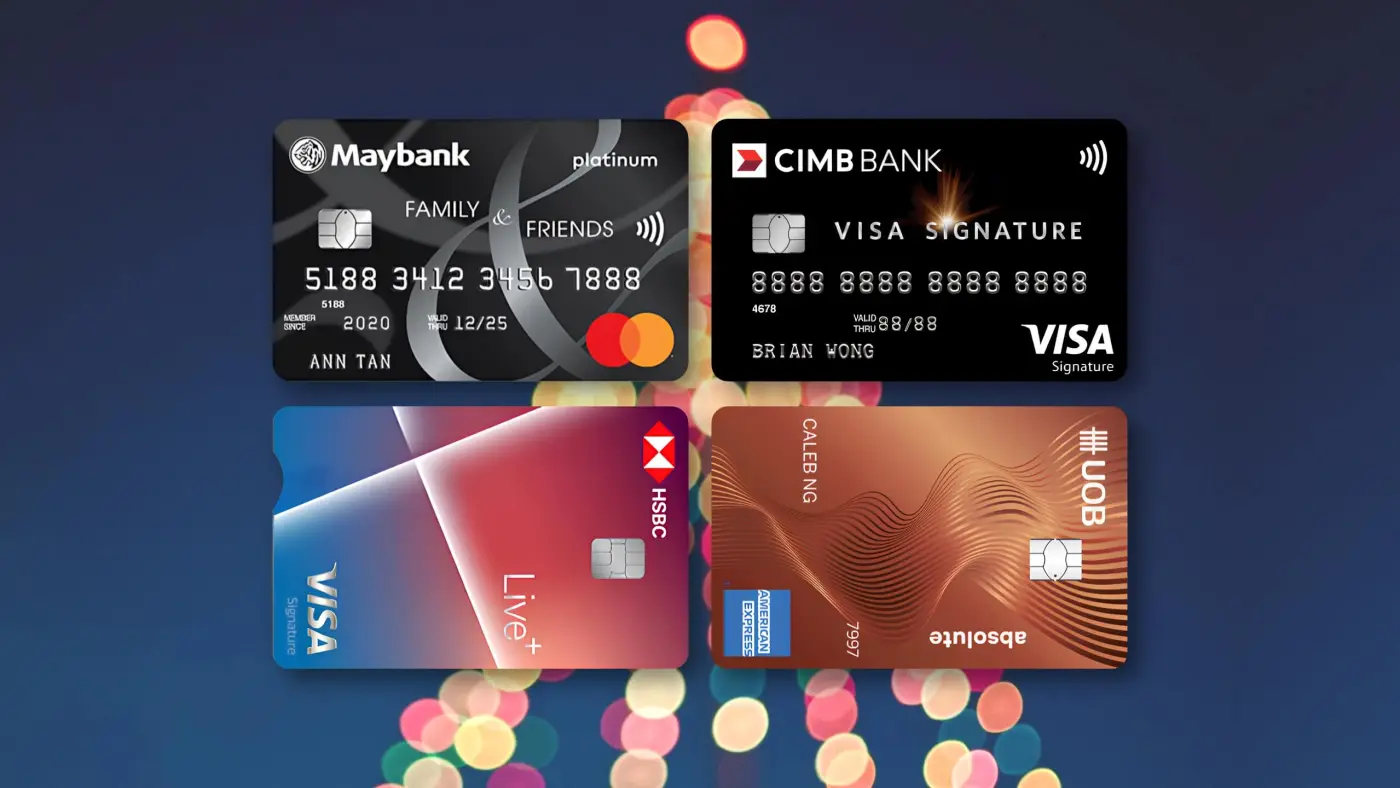

For many Australians, establishing a strong credit history is a vital step towards achieving significant financial goals, such as buying a home, securing a car loan, or even obtaining a mobile phone contract. A credit card, when managed responsibly, can be an excellent tool for building credit history from the ground up or improving an existing one. Unlike debit cards, credit cards involve borrowing money, and your repayment behaviour is meticulously tracked by credit reporting bodies (such as Equifax, Illion, and Experian) under Australia’s Comprehensive Credit Reporting (CCR) system. This comprehensive guide will detail how credit cards contribute to your credit score in Australia and provide practical strategies for using them effectively to build a positive credit history.
Understanding Credit History and Credit Score in Australia
Before diving into how a credit card helps, it’s essential to grasp what credit history and credit score entail in Australia:
- Credit History: This is a record of your past borrowing and repayment behaviour. It includes details about your credit accounts (loans, credit cards, utility accounts), the limits on those accounts, your repayment history (whether payments were on time or late), and any defaults or bankruptcies.
- Credit Score: A numerical representation of your creditworthiness, calculated based on your credit history. It’s a snapshot of your financial reliability, ranging from 0 (poor) to 1,000 or 1,200 (excellent), depending on the credit reporting body. Lenders use this score to assess the risk of lending to you.
- Comprehensive Credit Reporting (CCR): Since 2017, Australian lenders report both positive and negative credit information. This means timely payments, not just defaults, are recorded, making responsible credit card use even more impactful for building credit history.
How a Credit Card Helps Build Credit History
A credit card provides a continuous, measurable record of your borrowing and repayment habits, which are the core components of your credit score. Here’s how:

- Payment History: This is the most crucial factor. Every time you make a credit card repayment, especially on time and in full, it’s a positive mark on your credit report. Consistent on-time payments demonstrate reliability.
- Credit Utilisation: This refers to the amount of credit you’re using compared to your total available credit limit. Keeping your credit utilisation ratio low (e.g., below 30% of your total credit limit) is viewed positively by lenders. It shows you’re not overly reliant on borrowed funds.
- Length of Credit History: The longer you’ve had credit accounts open and managed them responsibly, the better. It provides more data for lenders to assess your long-term behaviour.
- Types of Credit: Having a mix of credit products (e.g., a credit card and a small personal loan, if managed well) can sometimes be seen favourably, demonstrating your ability to manage different credit types. However, don’t take on unnecessary debt just to diversify.
- Number of Applications: Each credit application results in a “hard inquiry” on your credit report, which can slightly lower your score temporarily. Responsible credit card use means applying sparingly and only for cards you’re likely to be approved for.
Choosing the Right Credit Card for Building Credit History
For those starting out or looking to improve their credit score, certain types of credit cards are more suitable:
- Low Limit Credit Cards:
- Why: These cards have smaller credit limits (e.g., $500 – $2,000), reducing the temptation to overspend and making them easier to manage. They also present less risk to the lender, increasing your chances of approval.
- Ideal for: First-time credit card users, students, or those with a limited credit history.
- No Annual Fee Credit Cards:
- Why: Eliminates a recurring cost, making it cheaper to hold the card long-term, which benefits the “length of credit history” factor.
- Ideal for: Those who might not use the card frequently but want to keep an account open to show consistent positive activity.
- Low Interest Rate Credit Cards:
- Why: While the goal is to pay in full, if you occasionally carry a small balance, a low interest rate minimises the cost of borrowing and helps prevent debt from spiralling.
- Ideal for: Anyone cautious about interest charges.
- Secured Credit Cards (less common in AU but exist):
- Why: Requires a security deposit (which acts as your credit limit). Because the lender’s risk is minimal, these are often easier to get approved for if you have no or poor credit history. They still report to credit bureaus, allowing you to build a positive record.
- Ideal for: Those with a very poor or non-existent credit history who are struggling to get approved for traditional cards.
Practical Steps to Build Credit History with a Credit Card
Once you have your credit card, follow these essential strategies:

- Start Small, Use Regularly (and wisely):
- Make a few small, regular purchases that you would normally pay for with cash or debit (e.g., petrol, groceries, a streaming service subscription).
- The goal is consistent, positive activity, not maxing out your card.
- Pay Your Bill in Full, Every Single Month:
- This is the most critical step. Paying your statement balance in full by the due date avoids interest charges and ensures positive repayment marks on your credit report.
- Set up direct debits or reminders to ensure you never miss a payment. Even one late payment can negatively impact your score.
- Keep Your Credit Utilisation Low:
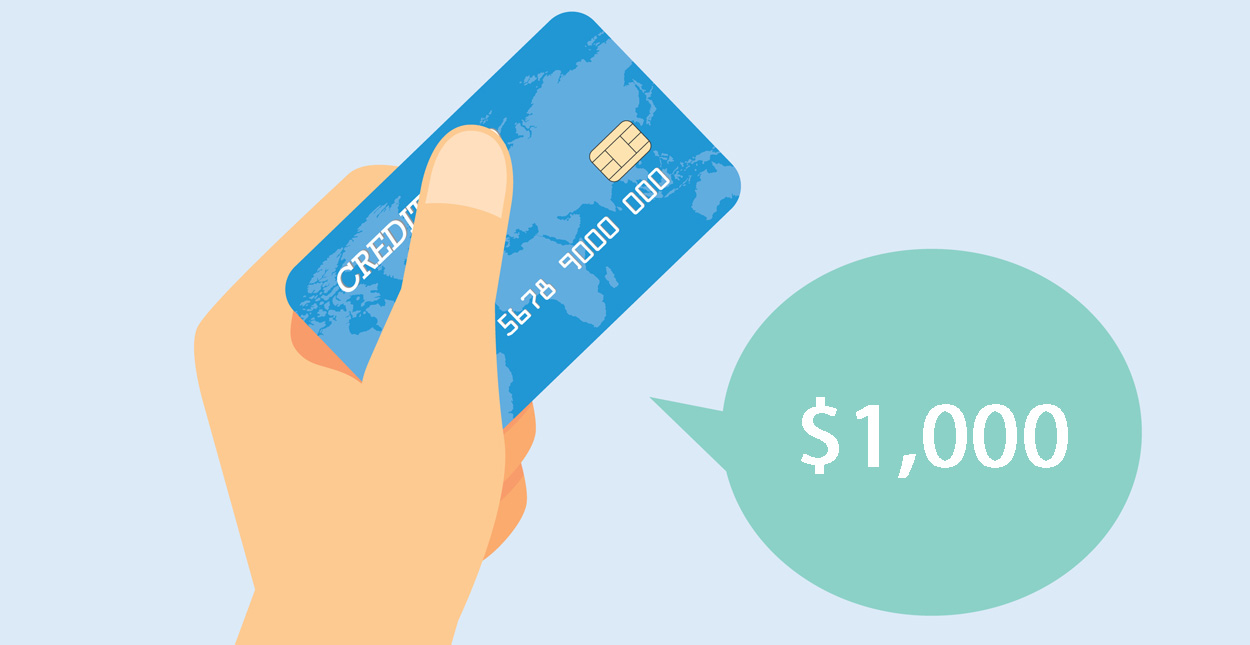
- Aim to use no more than 30% of your credit limit at any given time. For a $1,000 limit, this means keeping your balance below $300.
- If you make a large purchase, consider making an extra payment before your statement closes to keep the reported utilisation low.
- Don’t Apply for Too Many Cards (or Credit) at Once:
- Each credit application (a “hard inquiry”) temporarily lowers your score. Apply for only one card at a time and wait a few months (6-12) before applying for more credit.
- Only apply for cards you genuinely need and are likely to be approved for.
- Monitor Your Credit Report:
- You are entitled to a free copy of your credit report from Equifax, Illion, and Experian once a year.
- Regularly check your report for errors or fraudulent activity. If you find any, dispute them immediately with the credit reporting body.
- Maintain Old Accounts (if no annual fee):
- The length of your credit history is a factor. If you have an old credit card with no annual fee, consider keeping it open, even if you rarely use it, to maintain a long credit history.
- Avoid Cash Advances:
- Cash advances incur immediate, high interest and often fees, and can be seen negatively by lenders.
Common Pitfalls to Avoid
- Carrying a Balance: This is the biggest danger. High interest charges can quickly lead to debt, negating any credit-building benefits and potentially damaging your credit score.
- Missing Payments: Even one missed payment can significantly hurt your credit score and stay on your report for several years.
- Maxing Out Your Card: High credit utilisation is a red flag to lenders.
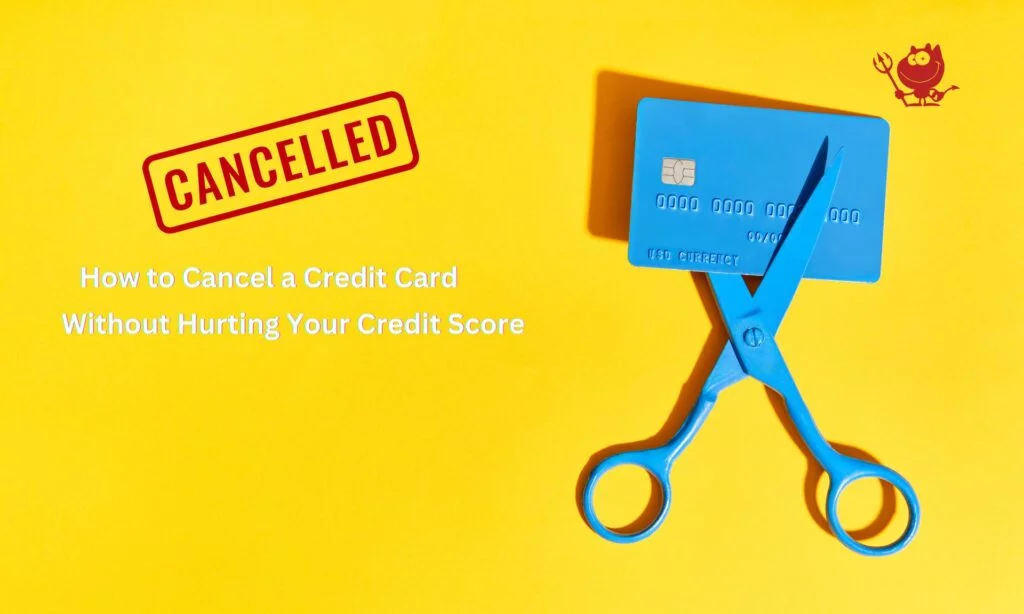
- Closing Your Oldest Account: If it’s your only or oldest credit account, closing it can shorten your average credit history, potentially lowering your score.
Conclusion: A Journey of Financial Responsibility
Building credit history with a credit card in Australia is a marathon, not a sprint. It requires discipline, consistent responsible behaviour, and a clear understanding of how the credit system works. By choosing the right card, making small, regular purchases, and diligently paying your balance in full each month, you can effectively leverage your credit card to cultivate a robust credit history, paving the way for greater financial opportunities in the future. Remember, your credit card is a tool; how you use it determines its impact on your financial standing.