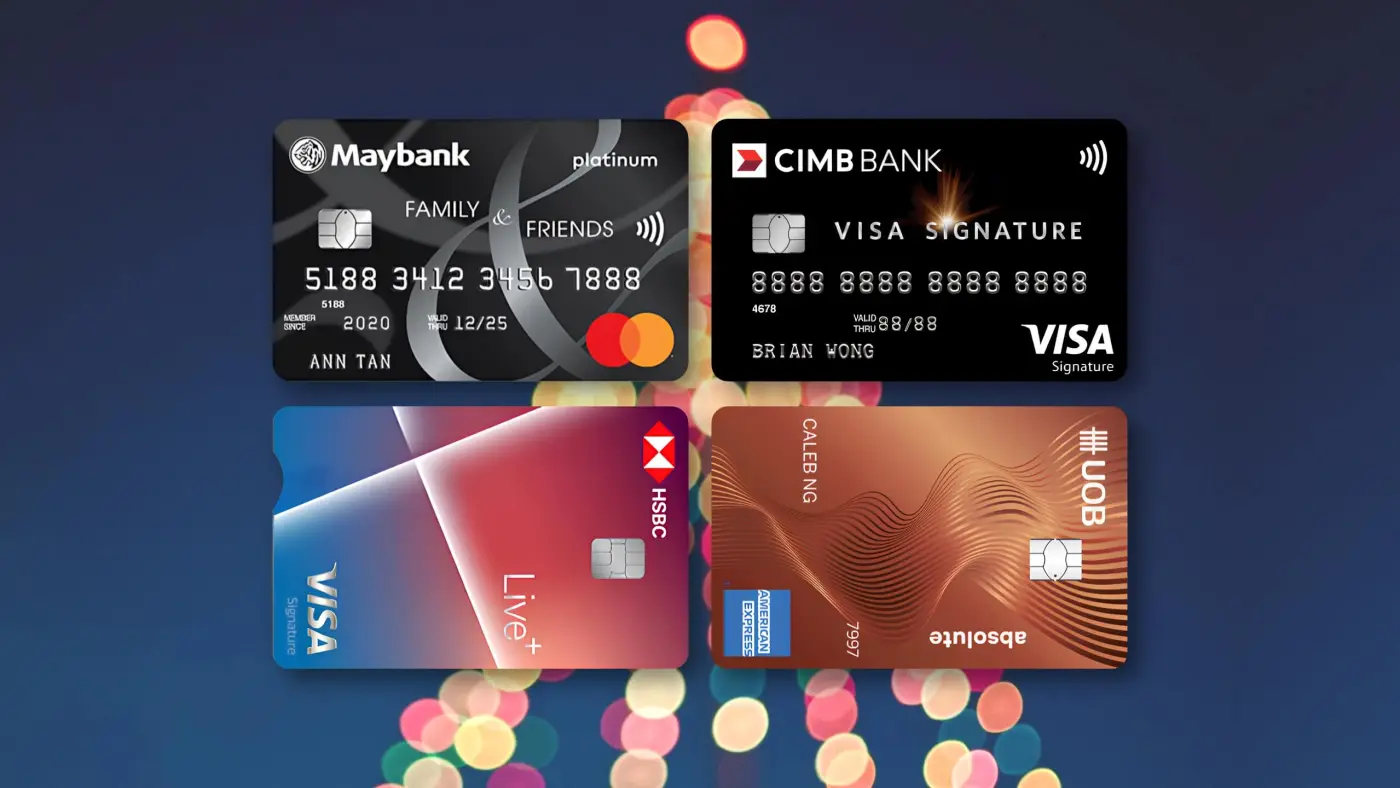

Deciding to cancel a credit card in Australia can be a smart financial move, whether you’re consolidating debt, reducing annual fees, or simply decluttering your wallet. While the process itself is generally straightforward, it’s crucial to follow specific steps and consider the potential implications, particularly on your credit score. A misstep could lead to unexpected fees or a negative impact on your financial standing. This comprehensive guide outlines the simple steps to cancel a credit card in Australia and highlights the important factors to consider before you make the call.
Why Cancel a Credit Card?
People choose to cancel a credit card for various reasons:
- High Annual Fees: The benefits no longer outweigh the recurring cost.
- Unused Card: You don’t use it, but it still incurs a fee or represents available credit you don’t need.
- Too Many Cards: Simplifying your finances.
- Debt Consolidation: You’ve transferred your balance to a new card with a lower rate.
- Responsible Spending: Removing temptation if you struggle with overspending.
- Poor Rewards Program: The card no longer offers appealing benefits.
Simple Steps to Cancel a Credit Card in Australia
Follow these steps carefully to ensure a smooth cancellation process:
Step 1: Pay Off Your Entire Balance (Crucial!)
- Ensure $0 Balance: You must pay off every single cent owed on the card, including any recent purchases, pending transactions, fees, or interest.
- Why it’s crucial: Banks will not close an account with an outstanding balance. Any remaining balance will continue to accrue interest and fees, potentially turning into a default, which severely impacts your credit score.
- Check Pending Transactions: Allow a few days for all transactions to clear. It’s often best to make your final payment a few days before you intend to call to ensure everything is settled.
Step 2: Redeem Any Outstanding Rewards Points/Cashback
- Don’t Lose Your Value: Before you initiate cancellation, redeem any accumulated rewards points, cashback, or travel credits associated with that credit card. Once the account is closed, these are typically forfeited.
- Check Expiry: Be mindful of any expiry dates on your points if you transfer them to a loyalty program.
Step 3: Cancel Any Recurring Payments or Direct Debits Linked to the Card
- Avoid Missed Payments: Update all automatic payments (e.g., streaming services, utility bills, gym memberships, insurance premiums) that are linked to the card you’re cancelling.
- Why it’s crucial: If you don’t update these, the payments will fail after cancellation, potentially leading to late payment fees or service interruptions. Update them to another card or a direct debit from your bank account.
Step 4: Contact Your Credit Card Issuer Directly
- Call the Bank: The most common and recommended method is to call the credit card issuer’s customer service or cancellation department. The number is usually on the back of your card or on their official website.
- Be Prepared for Retention Offers: The bank may try to offer you incentives (e.g., lower annual fee, bonus points, a temporary lower interest rate) to keep you as a customer. Politely decline if you are firm on cancelling.
- State Your Intent Clearly: Clearly state that you wish to cancel your credit card account and confirm that the balance is $0.
- Request Written Confirmation: Ask for written confirmation of the account closure, either via email or physical mail. This is your proof that the account has been officially closed and the balance cleared.
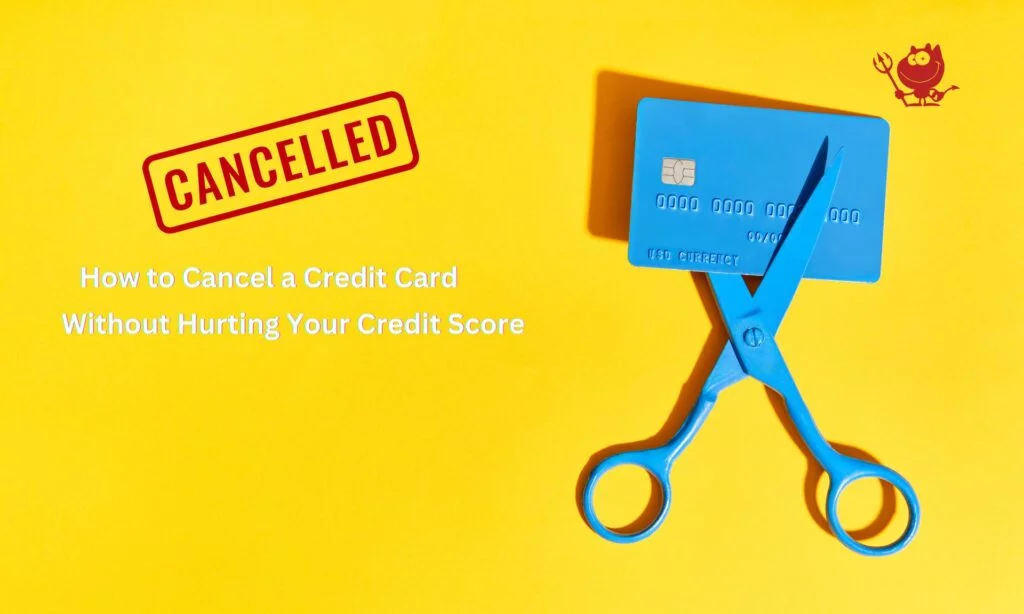
Step 5: Cut Up and Securely Dispose of Your Card
- Protect Your Information: Once confirmed, cut up your physical credit card, especially through the chip and magnetic stripe, and dispose of it securely. This prevents any potential fraudulent use.
Step 6: Check Your Credit Report After a Few Weeks
- Verify Closure: After 1-2 billing cycles (approximately 4-8 weeks), obtain a free copy of your credit report from one of Australia’s credit reporting bodies (Equifax, Illion, Experian).
- Why it’s crucial: Verify that the credit card account is listed as “closed” and has a $0 balance. If it’s still showing as open or with a balance, contact the bank immediately with your written confirmation.
Important Considerations Before Cancelling
While often beneficial, cancelling a credit card can have implications for your credit score.
- Impact on Credit Score (May Be Negative, Neutral, or Positive):
- Increased Credit Utilisation Ratio: If you close a card and it significantly reduces your total available credit, your credit utilisation ratio (amount used vs. total available) on your remaining cards will increase. A higher ratio (e.g., above 30%) can negatively impact your score.
- Mitigation: If you have other credit cards, consider increasing their limits (if responsible) before cancelling, or simply ensure your usage on remaining cards is very low.
- Shorter Length of Credit History: The average age of your credit accounts is a factor in your credit score. If the card you’re cancelling is your oldest account, closing it can shorten your credit history, potentially lowering your score, especially if your overall credit history is short.
- Mitigation: If it’s your oldest card and has no annual fee, consider keeping it open with a $0 balance for a positive long-term record.
- Fewer Credit Accounts: Having a mix of credit accounts that you manage responsibly can be viewed positively. Closing an account reduces the number of active accounts.
- Positive Impact: If the card had a very high annual fee you weren’t using, or if it helps you reduce overall debt by removing temptation, cancelling can be a positive step for your financial health in the long run. If you were struggling to make payments, cancelling (after paying off) will prevent further negative marks.
- Increased Credit Utilisation Ratio: If you close a card and it significantly reduces your total available credit, your credit utilisation ratio (amount used vs. total available) on your remaining cards will increase. A higher ratio (e.g., above 30%) can negatively impact your score.
- Loss of Benefits:
- Complimentary Insurance: If the card offered travel insurance, purchase protection, or extended warranty, these benefits will cease upon cancellation. Ensure you have alternative coverage if needed.
- Rewards Program Membership: If the card is tied to a specific rewards program (e.g., Qantas Frequent Flyer) and you don’t have another card linked, check if your points will expire or remain accessible.
- Future Borrowing:
- If you plan to apply for a major loan (e.g., home loan) in the near future, consult a financial advisor. While cancelling a credit card can reduce your total credit limit (which can be positive for loan applications), its immediate impact on your credit score can vary.
Conclusion: A Deliberate Decision
Cancelling a credit card in Australia is a straightforward process, but it demands careful planning to avoid unintended consequences. By diligently paying off your balance, securing your rewards, updating recurring payments, and verifying the closure on your credit report, you can manage the process effectively. Always weigh the potential impact on your credit score against the benefits of cancellation, and if in doubt, seek advice from your financial institution or a financial counsellor. A well-executed cancellation can be a valuable step towards a healthier financial future.