
For many students in Australia, navigating finances can be challenging. While a debit card handles everyday spending, a credit card can offer a crucial bridge for emergencies, online purchases, and most importantly, an opportunity to build a solid credit history. However, obtaining and managing a credit card as a student requires a responsible approach to avoid falling into debt. This comprehensive guide explores the landscape of credit cards for students in Australia, highlighting suitable options, application requirements, and essential tips for responsible usage.
Why a Credit Card for a Student?
While not essential, a credit card can offer specific benefits for students:
- Building Credit History: This is arguably the most significant long-term benefit. Responsible use (paying on time, keeping balances low) establishes a positive credit score, vital for future loans (car, home), phone contracts, and even some rental applications.
- Emergencies: Provides a financial safety net for unexpected expenses (e.g., medical bills, urgent travel).
- Online Purchases: Many online merchants prefer or require credit cards.
- Interest-Free Days: If the balance is paid in full by the due date, you can essentially borrow money interest-free for up to 45-55 days.
- Fraud Protection: Credit cards generally offer better fraud protection than debit cards, limiting your liability for unauthorised transactions.
Challenges for Students Applying for Credit Cards
Lenders assess your ability to repay debt. Students often face:

- Limited Income: Many students work part-time or rely on government benefits, resulting in lower or inconsistent income.
- Limited Credit History: Without prior loans or credit, establishing creditworthiness can be harder.
- Responsible Lending Obligations: Australian lenders must ensure you can afford the credit limit without undue hardship.
Types of Credit Cards Suitable for Students
Given the challenges, specific credit card types are more accessible and appropriate for students:
- No Annual Fee Credit Cards:
- Why they’re good: Removes a recurring cost, making them cheaper to hold. Ideal if you only need the card for emergencies or occasional use.
- Considerations: May offer fewer perks or rewards.
- Examples: Many banks offer basic no annual fee options, sometimes with low credit limits.
- Low Limit Credit Cards:
- Why they’re good: Lower credit limits (e.g., $500 – $2,000) reduce the risk of accumulating large debt. Easier for lenders to approve.
- Considerations: Might not cover very large emergencies.
- Examples: Westpac Lite Mastercard, certain basic offerings from major banks like ANZ or CommBank.
- Low Interest Rate Credit Cards:
- Why they’re good: If you anticipate occasionally carrying a small balance, a lower interest rate minimises the cost of borrowing.
- Considerations: Often come with a small annual fee.
- Examples: Many banks have “Low Rate” versions of their standard cards.
- Secured Credit Cards:
- Why they’re good: You deposit money (e.g., $500) into a savings account with the bank, and this deposit acts as collateral for your credit limit. This significantly lowers the risk for the lender, making them easier to obtain, especially for those with no credit history. They still report to credit bureaus, helping build your score.
- Considerations: Requires an upfront deposit. Less common in Australia than in some other countries, but some smaller lenders might offer them.
- Debit Cards with Credit Card Features (e.g., Mastercard Debit/Visa Debit):
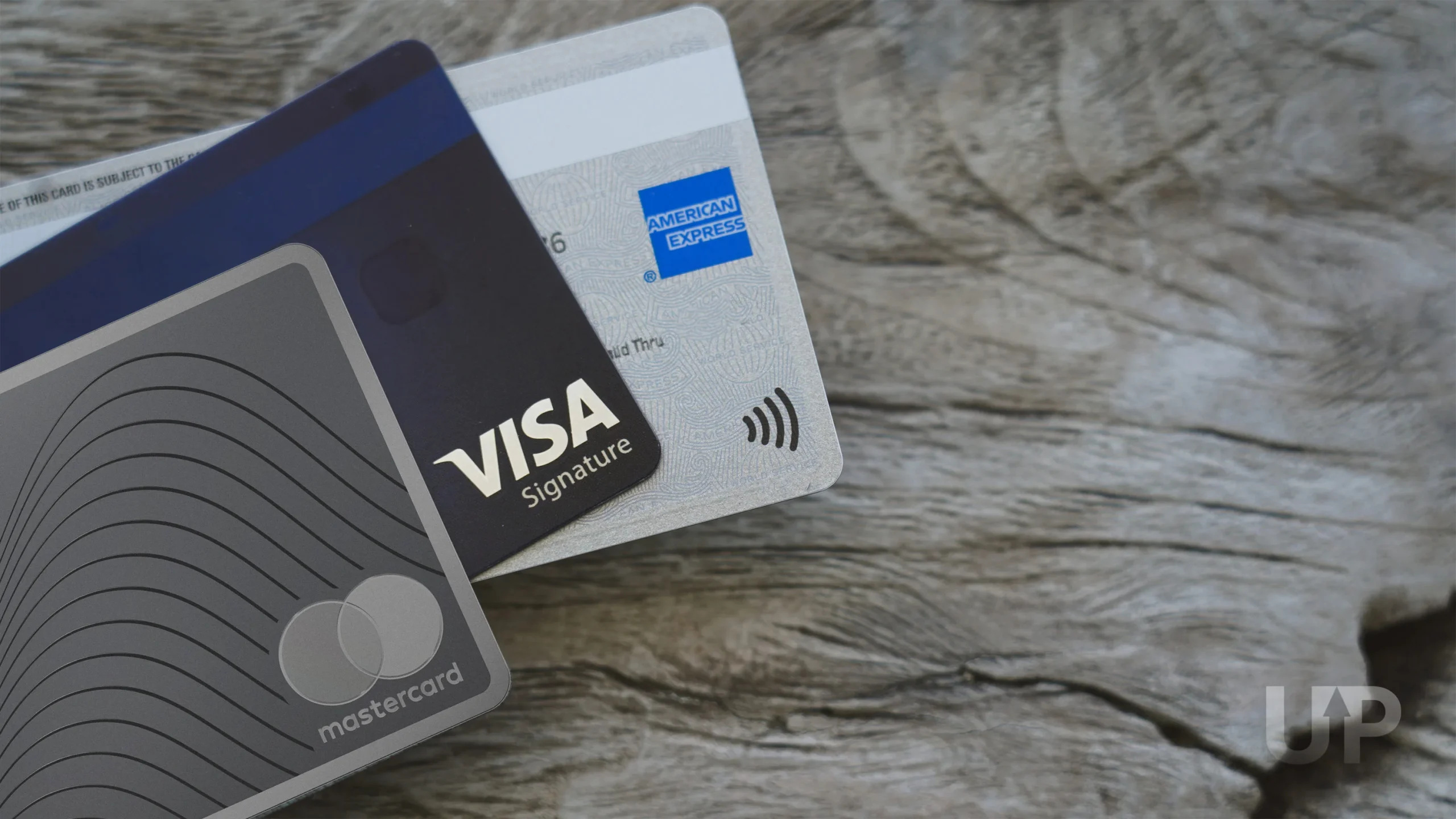
- Why they’re good: While technically not credit cards, these often carry the Mastercard or Visa logo, allowing them to be used for online purchases, car rentals (with a security deposit), and international transactions. They draw directly from your own funds, eliminating debt risk.
- Considerations: Don’t build credit history.
- Examples: Most major Australian banks offer these as standard student accounts (e.g., CommBank Everyday Account with Debit Mastercard).
Eligibility and Application for Students
Despite being a student, you’ll still need to meet responsible lending criteria.

- Age: Must be 18 years or older.
- Residency: Australian citizen, permanent resident, or often an eligible long-term visa (check with specific bank for international students).
- Income: You must demonstrate an ability to make repayments. This can include:
- Part-time job wages.
- Youth Allowance, Austudy, Abstudy, or other government benefits.
- Scholarships.
- Note: Banks look at disposable income after essential expenses.
- Expenses: You’ll need to detail your living expenses (rent, food, transport, study costs).
- Credit History: While limited, having no negative marks is a plus. Ensure you pay any existing bills (phone, utilities) on time.
Application Process:
- Online or In-Branch: Most applications can be done online. For international students or those with complex income, an in-branch application might be beneficial.
- Documentation: Be prepared to provide:
- Proof of identity (Driver’s Licence, Passport).
- Proof of enrolment.
- Payslips (if employed).
- Bank statements showing income and expenses.
- Details of any other debts.
Responsible Credit Card Usage for Students
Getting the card is only half the battle; using it wisely is paramount.
- Pay in Full, Every Month: This is the golden rule. Avoid interest charges by paying your entire statement balance by the due date. This maximises your interest-free days and prevents debt.
- Treat Your Limit as a Safety Net, Not a Challenge: Just because you have a $1,000 limit doesn’t mean you should spend $1,000. Only spend what you can comfortably repay.
- Budget Strictly: Integrate your credit card into your overall budget. Know exactly what you can afford to spend and repay.
- Avoid Cash Advances: Cash advances incur immediate, high interest and fees. Use your debit card for cash.
- Understand Fees: Be aware of annual fees (if any), late payment fees, and foreign transaction fees.
- Set Up Alerts: Enable SMS or email alerts for transactions and due dates to help you stay on track.
- Monitor Your Statements: Regularly check for any suspicious or unauthorised transactions.
- Don’t Apply for Multiple Cards: Too many applications in a short period can negatively impact your credit score.
- Don’t Close Your Oldest Card (if it’s no annual fee): Keeping older credit accounts open (even if rarely used) can boost your credit history length, a positive factor for your credit score.
Alternatives to Credit Cards for Students
- Debit Cards: Excellent for everyday spending as they use your own money.
- Prepaid Travel Cards: Useful for international travel, allowing you to load money and lock in exchange rates without debt.
- Buy Now Pay Later (BNPL) Services: Companies like Afterpay or Zip Pay offer interest-free instalments, but missed payments incur fees and can impact your credit score (as some BNPL providers now report to credit bureaus). Use with caution and only for essential purchases.
Conclusion: A Stepping Stone to Financial Maturity
For students in Australia, a credit card can be a valuable tool for financial growth, but it must be wielded responsibly. By opting for suitable cards with low limits and no or low fees, and by committing to paying off your balance in full each month, you can effectively build a positive credit history and develop sound financial habits that will serve you well long after graduation. Choose wisely, spend responsibly, and let your credit card be a stepping stone towards financial maturity.