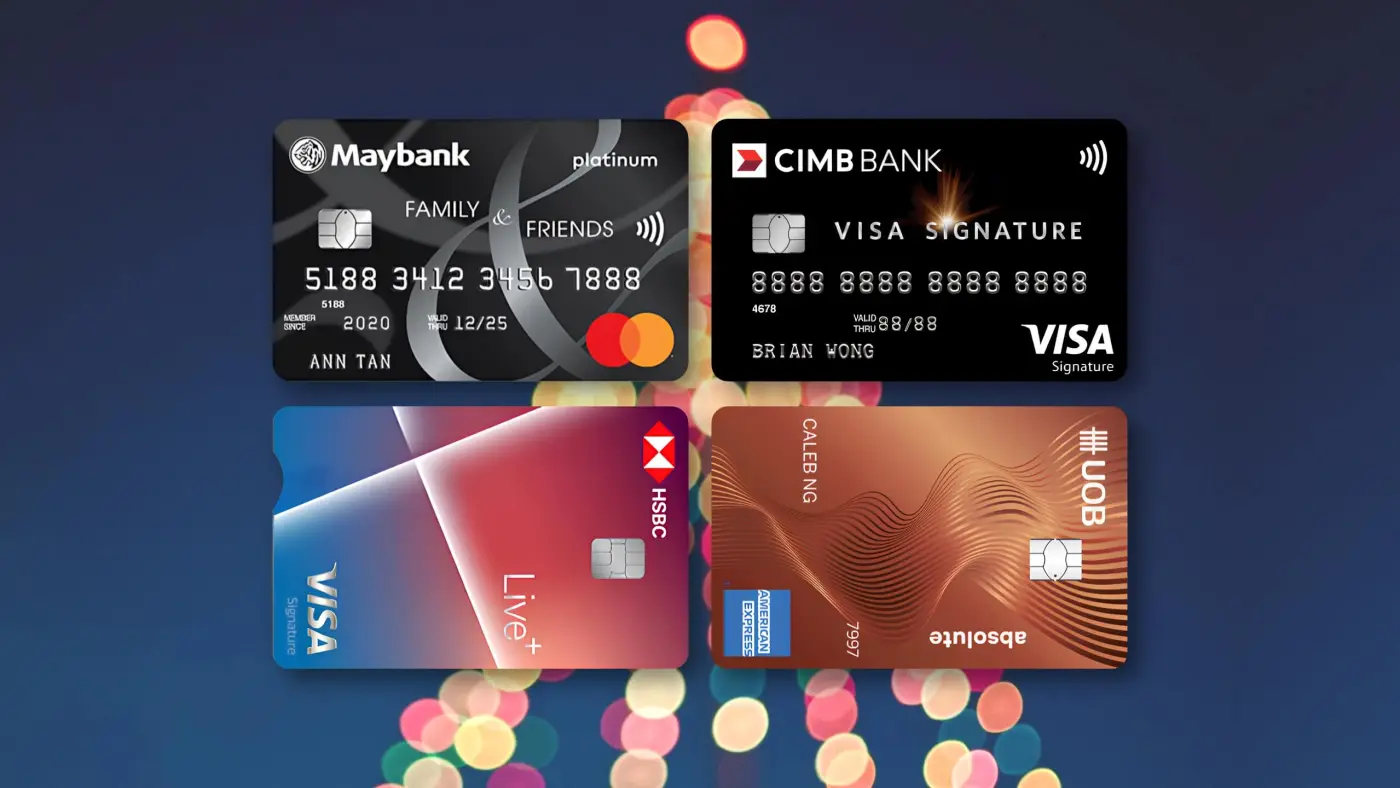

In today’s complex financial landscape, the credit card market is a vast ocean of options. With hundreds of cards, each with its own set of interest rates, fees, rewards programs, and eligibility requirements, finding the perfect one can feel like an impossible and overwhelming task. This is where online credit card comparison tools have emerged as a powerful and indispensable resource. They cut through the noise, provide clarity, and empower you to make a smart, informed financial decision that aligns with your specific needs and long-term goals. This comprehensive guide will explain why these tools are essential, how to use them effectively, and what to look for to ensure you find the right card.
Why Online Comparison Tools Are Essential
The value proposition of online credit card comparison tools lies in their ability to demystify a complex and fragmented market. Before these tools existed, a consumer would have to manually visit dozens of individual bank websites, download PDFs of terms and conditions, and create their own spreadsheets to compare options. This process was not only incredibly time-consuming but also prone to error and bias.
Comparison tools streamline this entire process. They consolidate data from hundreds of issuers into a single, user-friendly interface. This allows you to see all the relevant information side-by-side, from the Annual Percentage Rate (APR) and annual fees to rewards structures and sign-up bonuses. By providing a clear and transparent overview, these tools prevent you from being swayed by clever marketing campaigns and empower you to focus on the numbers and benefits that truly matter to your financial situation.
A Step-by-Step Guide to Using Comparison Tools Effectively
To make the most of an online comparison tool, you need a strategic approach. It’s not just about clicking buttons; it’s about being intentional with your search.

Step 1: Define Your Financial Goals
Before you even start searching, ask yourself what you truly need from a credit card. Are you looking to:
- Pay down debt? A card with a 0% introductory APR on balance transfers might be your best bet.
- Earn rewards? A card with a generous cashback or travel points program is ideal.
- Build credit? A secured card or a card with no annual fee could be a good starting point.
- Minimize costs? A low-interest or no-annual-fee card would be the priority.
Having a clear goal will help you filter your search from the very beginning.
Step 2: Input Your Profile and Preferences
Once you have a goal, you can begin to input your preferences. Be honest about your financial profile, including your credit score range (e.g., excellent, good, fair) and your estimated monthly spending. The tool will use this information to filter out cards you are unlikely to be approved for, saving you from a hard inquiry on your credit report. You can then use filters to narrow down the options based on your goals, such as “cashback,” “travel,” or “low interest.”
Step 3: Analyze and Filter the Results
The tool will present you with a list of cards that match your criteria. This is where you need to look beyond the surface. Analyze and compare:
- APR: Is the standard APR low enough for you if you occasionally carry a balance?
- Annual Fee: Is the fee worth the benefits and rewards you’ll receive?
- Rewards Structure: Is the rewards program easy to understand and use? Do the rewards align with your actual spending habits?
- Sign-Up Bonus: Is the bonus worth the spending required to earn it?
- Eligibility Requirements: Does your credit score and financial situation align with what the issuer is looking for?
Step 4: Go Beyond the Basics
While comparison tools are fantastic for a quick overview, it’s always wise to take a deeper look. Click through to the card issuer’s official page to read the full terms and conditions. Look for expert reviews and user testimonials to get a well-rounded perspective on the card’s customer service, ease of use, and overall value. This final step ensures there are no surprises down the road.
Common Mistakes to Avoid When Using Comparison Tools
To get the most out of these tools, you need to be aware of the common pitfalls:
- The Lure of the Sign-Up Bonus: Don’t choose a card solely for its bonus. The bonus is a one-time reward; the long-term value of a card comes from its ongoing rewards, fees, and interest rates.
- Ignoring the Fine Print: A low APR may be an introductory offer. A high rewards rate may only apply to a specific spending category. Always read the details to understand the true cost and value of the card.
- Misrepresenting Your Credit Score: Applying for a card you are not qualified for can result in a denial and a temporary drop in your credit score. Be realistic about your financial health.
Final Conclusion: Your Gateway to Financial Success
Online credit card comparison tools are more than just a list of options; they are an indispensable resource for informed decision-making. By thoughtfully defining your financial goals, using these tools to your advantage, and carefully analyzing all the details, you can navigate the complex credit card market with confidence. These tools are your gateway to finding a card that not only meets your needs but also serves as a valuable asset on your journey to financial success.